
Ergothioneine497‑30‑3
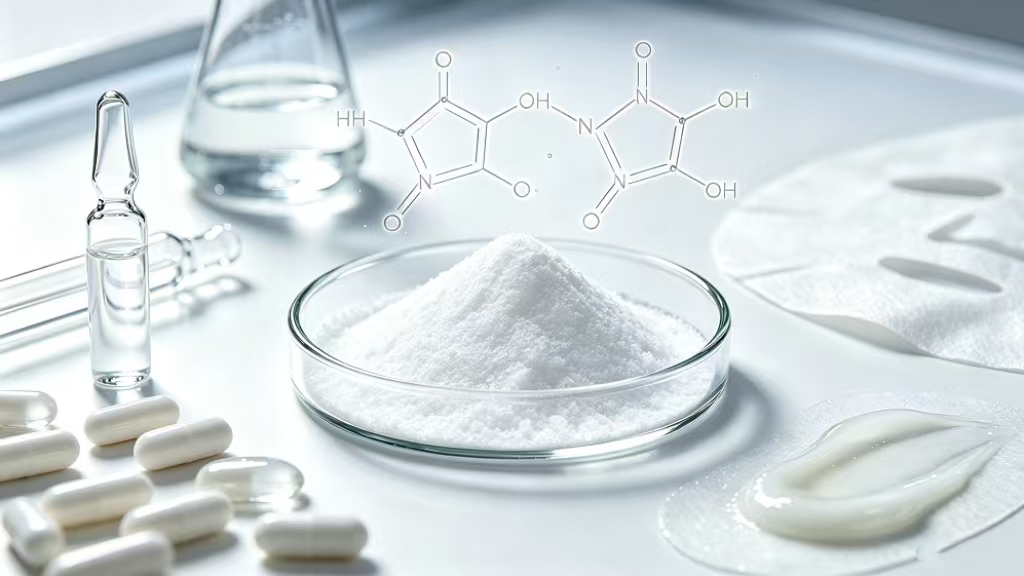
Ergothioneine applies to R&D of skincare and nutritional formulations. Specify grade and end application prior to purchase. Xi'an Wanlv offers specification consultation, qualification documents and sample inquiry support.
Overview
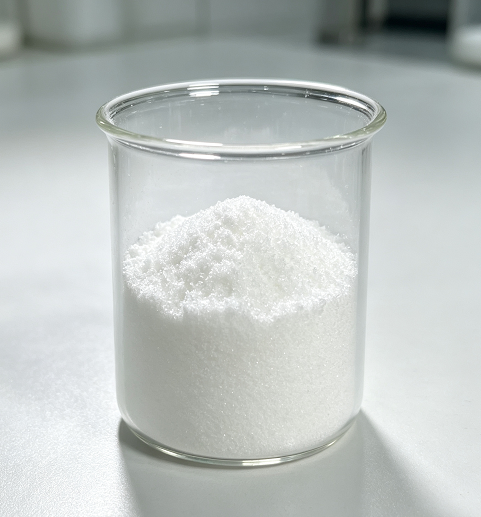
What is L‑Ergothioneine?L‑Ergothioneine is a natural sulfur‑containing imidazole amino acid widely found in fungi such as mushrooms. High‑grade commercial material is produced via microbial fermentation to obtain the L‑enantiomer. It appears as white crystalline water‑soluble powder with excellent photostability and thermal stability, resistant to degradation during processing. In cosmetics, it is a well‑known antioxidant and skin‑repairing ingredient. It helps counteract environmental‑induced oxidative stress damage, soothe skin, and improve dull complexion caused by oxidation. It is widely applied in repair‑oriented skincare products such as serums and creams, with a recommended dosage of 0.01‑0.1%. Note: Fermentation‑derived L‑Ergothioneine is a novel food ingredient in China. For functional food applications, the maximum daily intake is 30 mg. It is not suitable for infants, pregnant or lactating women. The above food‑related specifications apply only to oral consumption and do not apply to topical cosmetic use.
Key Parameters
Applications
Cosmetics & Skincare
1. Anti‑aging & anti‑photo‑aging: L‑Ergothioneine scavenges free radicals, helps slow collagen loss, improves signs of skin aging such as fine lines and sagging, and eases photo‑induced skin aging. It is a popular premium anti‑aging cosmetic ingredient. 2. Complexion improvement: With antioxidant activity, it alleviates dull complexion caused by oxidation and evens skin tone. Mild‑acting and suitable for various skin types. 3. Photodamage repair: Relieves oxidative stress triggered by UV exposure and reduces skin discomfort caused by light irritation. Widely used in post‑sun repair skincare products. 4. Soothing & skin‑stabilizing: Soothes irritated skin, maintains epidermal health and improves skin tolerance. Suitable for products for redness relief and skin‑barrier repair.
Food Industry
As a China‑approved novel food ingredient, it can be incorporated into oral liquids, capsules, beverages, dairy products for daily antioxidant nutritional supplementation.
Product FAQ
What is L‑Ergothioneine? What are its functions?
L‑Ergothioneine (EGT) is a natural sulfur‑containing imidazole amino acid. It cannot be biosynthesized by human body and must be obtained from exogenous supplementation. It is a rare antioxidant active ingredient recognized and absorbed by the human‑specific OCTN1 transporter protein. It exhibits far higher stability than common antioxidants such as Vitamin C and glutathione. It counteracts oxidative stress at cellular level and soothes skin conditions, widely applied in premium skincare and functional food sectors.
Which is better: fermented or synthetic L‑Ergothioneine? What are the differences?
High‑quality commercial L‑Ergothioneine is produced by microbial fermentation to yield natural L‑enantiomer with high biological activity and human‑recognizable absorption, complying with regulations for cosmetics and novel food ingredients. Chemically‑synthesized product is mostly racemate. The D‑enantiomer has no physiological activity and contains higher impurities. It is prohibited for food use, delivers poor performance in skincare and is mainly used for industrial purposes. For raw‑material procurement, fermented high‑purity L‑enantiomer powder is preferred.
What are the compliance requirements for L‑Ergothioneine in food applications?
Fermentation‑derived L‑Ergothioneine is a China‑approved novel food ingredient. The maximum daily intake is ≤30 mg. It is not suitable for infants, pregnant women and lactating women. Product labels must clearly mark the unsuitable population and daily intake limit. Only fermented enantiomer is permitted for food; chemically‑synthesized form is strictly forbidden for food applications.
What is the difference between topical and oral use of L‑Ergothioneine?
Topical application mainly acts on the epidermal layer of skin to resist external oxidative damage, soothe skin, improve oxidation‑induced dullness and stabilize skin barrier. Oral intake is transported via human‑specific OCTN1 transporter and accumulates in tissues including skin, eyes and liver to achieve systemic cellular antioxidant protection. The two application scenarios work through different mechanisms.