Xi'an Wanlv · Aesthetic & Cosmetic Ingredients

Cosmetic and Aesthetic Actives Supply Chain

Graded hydroxyapatite · Aesthetic polymers · Anti-aging actives · Ceramides

Xi’an Wanlv Bio‑tech is an integrated supplier covering R&D, production and distribution. We provide industrial/food/medical‑grade Hydroxyapatite, PLLA/PDLLA/PCL, PDRN, recombinant collagen, sponge microneedles, Pro‑Xylane, Ceramide, OCT and other functional ingredients. COA, MSDS and samples are offered for factories, brand companies and overseas purchasers.

  • Hydroxyapatite
  • Cosmetic Active Peptides
  • Functional Skincare Raw Materials
  • Medical Aesthetic Regenerative Materials
  • Cross‑border OEM Custom Manufacturing

Products

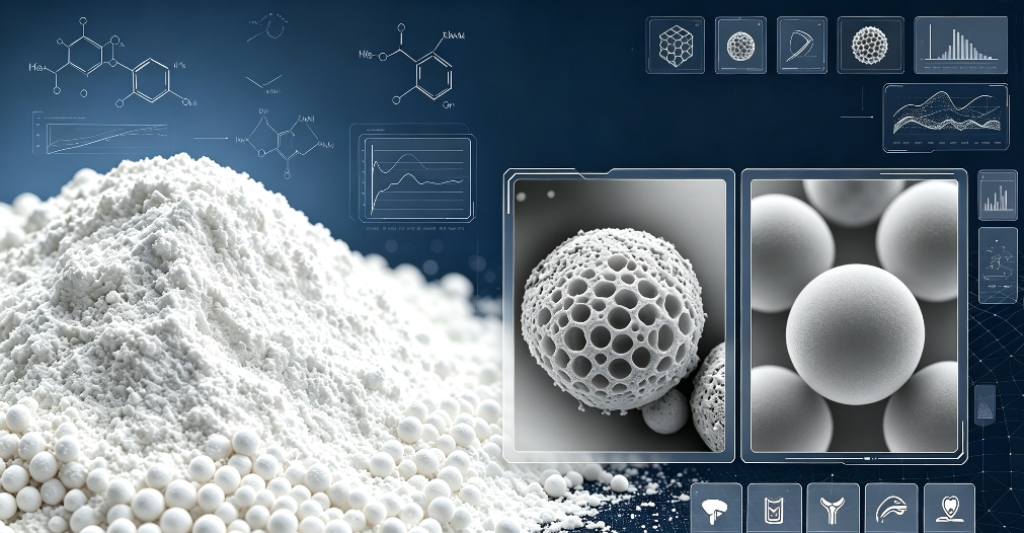
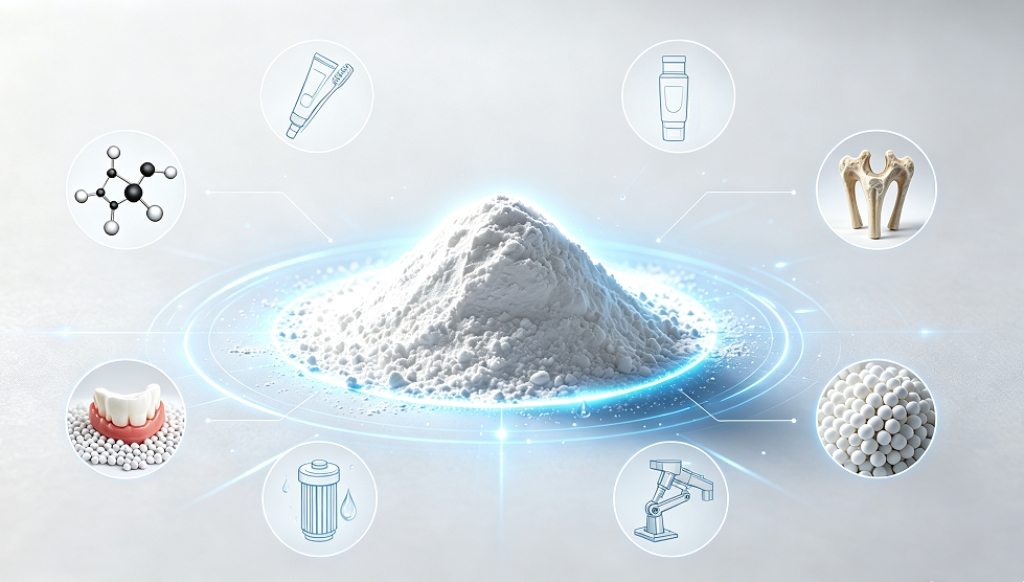
HAP (Hydroxyapatite) Cosmetic Ingredient | Wanlv

When purchasing hydroxyapatite, confirm industrial/food/medical grade first, then match particle size and packaging. Xi’an Wanlv offers grade-based customized supply with COA, MSDS, samples and full inquiry service.

Oral CareEnvironmental TreatmentBiomaterial orientationNew‑type materialCosmetics & Skincare1306-06-5
View Details
Hydroxyapatite CaHA

CaHA(Calcium‑Hydroxylapatite)

CaHA is commonly used for substrate R&D in soft tissue augmentation and bone repair. Confirm end application, microsphere particle size, spherical morphology and packaging specifications prior to purchase. Xi'an Wanlv is available to negotiate supply limits, batch documents and samples.

Base material for soft‑tissue fillingBone‑repair‑related base materialBiological scientific research
View Details

Poly‑L‑Lactic Acid

For procurement of PLLA poly(L-lactic acid) microspheres, confirm end use, microsphere particle size, spherical morphology and packaging specifications prior to purchase. Xi'an Wanlv offers specification-based supply, full batch documents and sample inquiry support.

Base material for regenerative aestheticsBiomedicineBase material for medical implant
View Details

PDLLA(Poly‑D,L‑Lactic Acid)

PDLLA poly(D,L-lactic acid) microspheres are commonly applied in R&D of substrates for soft tissue augmentation and regenerative repair. Confirm end application, microsphere particle size, spherical morphology and packaging specifications prior to purchase. Xi'an Wanlv offers customized supply, full batch documents and sample inquiry support.

Base material for aesthetic fillingSoft‑tissue‑repair‑related base materialMedical sustained‑release carrier
View Details

PCL (Poly‑ε‑Caprolactone)

PCL is suitable for R&D of biomedicine, regenerative materials and cosmetic sustained-release carriers. Indicate intended use and parameter requirements upon inquiry. Xi'an Wanlv provides specification discussion, documents and sample support.

BiomedicineRegenerative MaterialsCosmetic Sustained‑release Carrier
View Details
Salmon PDRN (Sodium DNA)

Salmon‑derived PDRN

For procurement of salmon PDRN raw materials, confirm application grade, molecular weight parameters and packaging specifications prior to purchase. It applies to R&D of skincare substrates, aesthetic-related and biomedical formulations. Xi'an Wanlv offers precise graded supply, full batch documents (COA/MSDS), sample testing and end-to-end inquiry support.

100403-24-5Sodium DNASalmon Milt Extract
View Details
Piroctone Olamine(OCT)

Piroctone Olamine(OCT)

For piroctone olamine raw material procurement, confirm grade, purity and packaging. It applies to R&D of wash and daily chemical formulation substrates. Xi'an Wanlv provides specification discussion, batch documents and sample support.

68890-66-4Anti‑Dandruff Agent OCTMild anti‑dandruff raw material
View Details

3-O-Ethyl-L-ascorbic acid

Ethyl Ascorbic Acid, a stable vitamin C derivative, is used in brightening and antioxidant formulations. Indicate purity and quantity upon inquiry. Xi'an Wanlv provides specification discussion, documents and sample support.

86404‑04‑8VC DerivativeFor skin‑tone‑conditioning formulations
View Details

Ergothioneine

Ergothioneine applies to R&D of skincare and nutritional formulations. Specify grade and end application prior to purchase. Xi'an Wanlv offers specification consultation, qualification documents and sample inquiry support.

497‑30‑3High‑stability active raw materialFor photoprotection‑oriented formulations
View Details

Hydroxyethylpiperazine Ethanesulfonic Acid

HEPES applies to R&D of biological buffers, cell culture and daily chemical formulation substrates. Confirm grade, purity and packaging before purchase. Xi'an Wanlv provides specification discussion, batch documents and sample support.

7365‑45‑9Amphoteric organic buffering agentFormula pH‑stabilizing regulator
View Details

Adenosine

Adenosine applies to R&D of skincare and scalp care formulations. Confirm grade, purity and packaging upon inquiry. Xi'an Wanlv offers matching available specifications, documents and sample support.

58‑61‑7For anti‑aging‑oriented formulationsFor soothing‑repair‑oriented formulationsFor scalp‑care‑oriented formulations
View Details

Ceramide (NP AP EOP NS)

Ceramide applies to skincare formulation R&D for skin barrier care. Indicate your type (NP/AP/EOP/NS or blended grade) upon inquiry. Xi'an Wanlv provides matching specifications, documents and sample support.

100403‑19‑8Ceramide EOPCeramide NPCeramide APCeramide NSCompound Ceramide
View Details

About Wanlv

Xi'an Wanlv focuses on the cosmetic and aesthetic actives supply chain: graded hydroxyapatite, aesthetic polymers, anti-aging/repair actives, ceramides, and scalp-care ingredients. We emphasize compliance, original-pack distribution, and sample-to-bulk procurement support.

Learn more
Quality control and R&D for functional ingredients

News Center

The latest updates on company developments, technical articles, and industry content.

Technical Review2026.09.01

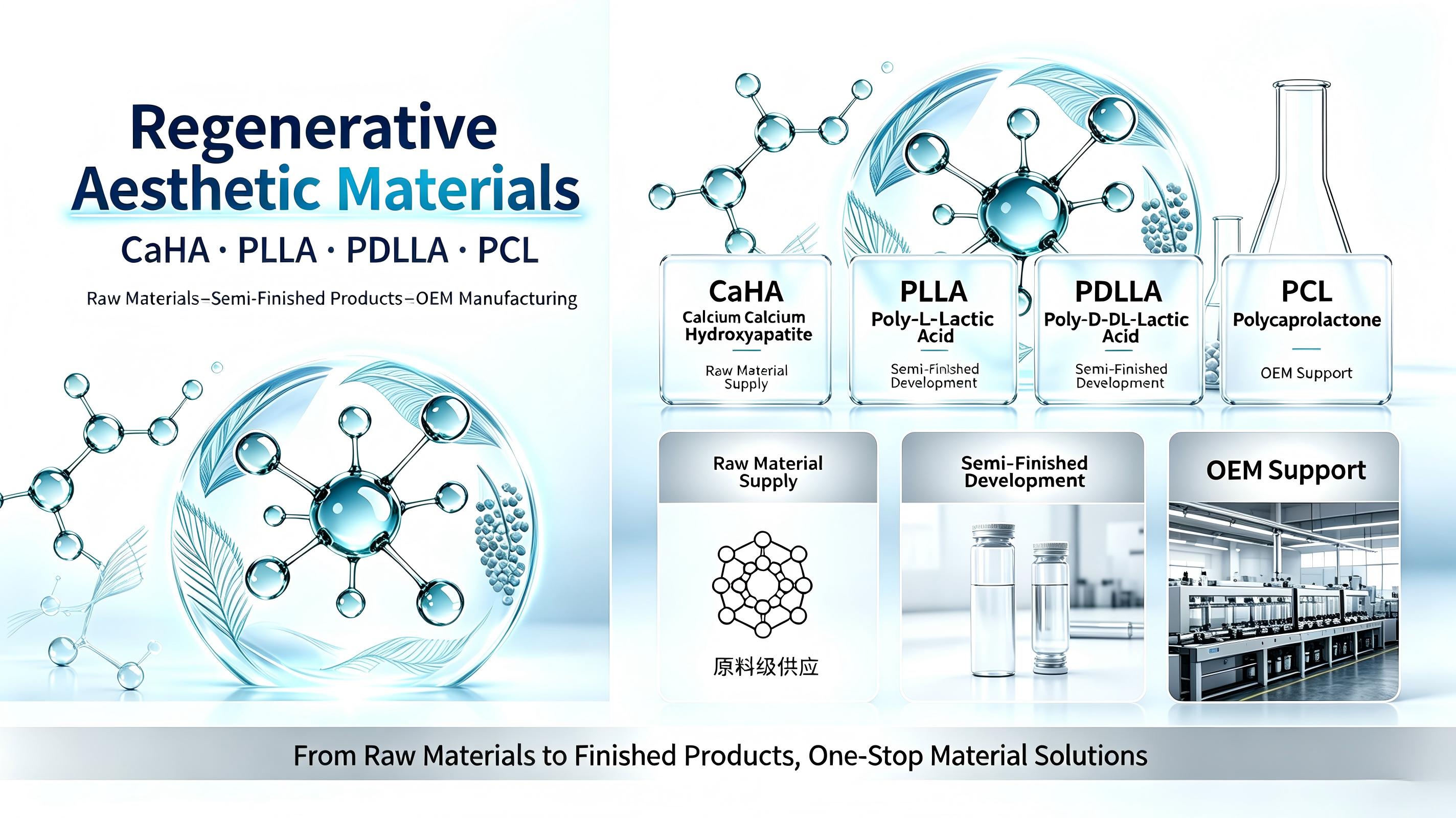
Popular Regenerative Materials in Aesthetic Medicine: CaHA, PLLA, PDLLA, PCL

Regenerative biomaterials represent a core research track for aesthetic medical consumables. Calcium Hydroxylapatite (CaHA), Poly‑L‑Lactic Acid (PLLA), Poly‑DL‑Lactic Acid (PDLLA) and Polycaprolactone (PCL) are four mainstream bio‑active raw materials in the industry. All four materials are available in powder and microsphere forms, and can be processed into suspension or lyophilized semi‑finished products for OEM contract manufacturing. Nevertheless, they exhibit substantial differences in molecular crystalline structure, mechanical properties, hydrolysis behavior, in‑vivo inflammatory response and collagen‑inducing capacity. Quantified datasets obtained from extensive in‑vitro cellular assays, animal implantation studies and pre‑clinical researches provide critical references for formulation selection and process development.

Industry Insight2026.08.31

Calcium-Hydroxylapatite (CaHA): A Bioceramic Substrate for Implantable Medical Devices

In the field of biomedical materials, Calcium-Hydroxylapatite (abbreviated as CaHA) is a calcium-phosphate bioactive material that shares high homology with the inorganic components of human bones and teeth. With excellent biocompatibility, it has long been widely applied in clinical scenarios such as orthopedics and stomatology. As China's regulatory system for medical devices continues to improve, the R&D and production of the CaHA-related industry has gradually entered a standardized development stage. This article systematically sorts out dimensions including the basic properties of the material, approved compliant application scenarios, production quality control requirements, and industry compliance guidelines.

Technical Review2026.08.27

3‑O‑Ethyl Ascorbic Acid : A Stable Vitamin‑C Derivative for Brightening and Antioxidant Performance

L‑ascorbic acid, also known as vitamin C, is a water‑soluble antioxidant widely used in personal‑care formulations for many years. Nevertheless, it suffers from drawbacks including susceptibility to oxidative discoloration, strict formulation pH requirements and relatively high irritation potential. As an ether‑modified vitamin‑C derivative, **3‑O‑ethyl ascorbic acid (VC‑ethyl ether)** combines good stability, skin‑penetrating capacity and mildness, making up for the shortcomings of conventional vitamin C. It has become a high‑performance popular raw material in modern skincare formulations. This article provides a comprehensive overview covering raw‑material profile, mechanism of action, application fields and formulation‑usage recommendations for reference by formulators and product developers.

Technical Review2026.08.26

OCT Piroctone Olamine: A Mild and High-Efficiency Mainstream Anti-Dandruff Raw Material

Dandruff and scalp itching are extremely common scalp problems, and anti-dandruff active raw materials are the core of hair care formulations. Among numerous anti-dandruff ingredients, OCT (Piroctone Olamine) has become one of the most widely used anti-dandruff raw materials in mid-to-high-end scalp care products, thanks to its advantages of mild low irritation, wide compatibility, and suitability for rinse-off products. This article provides a comprehensive overview from multiple dimensions including raw material profile, mechanism of action, application fields, and formulation dosage recommendations, to serve as a reference for formulation R&D and product development.

Technical Review2026.08.25

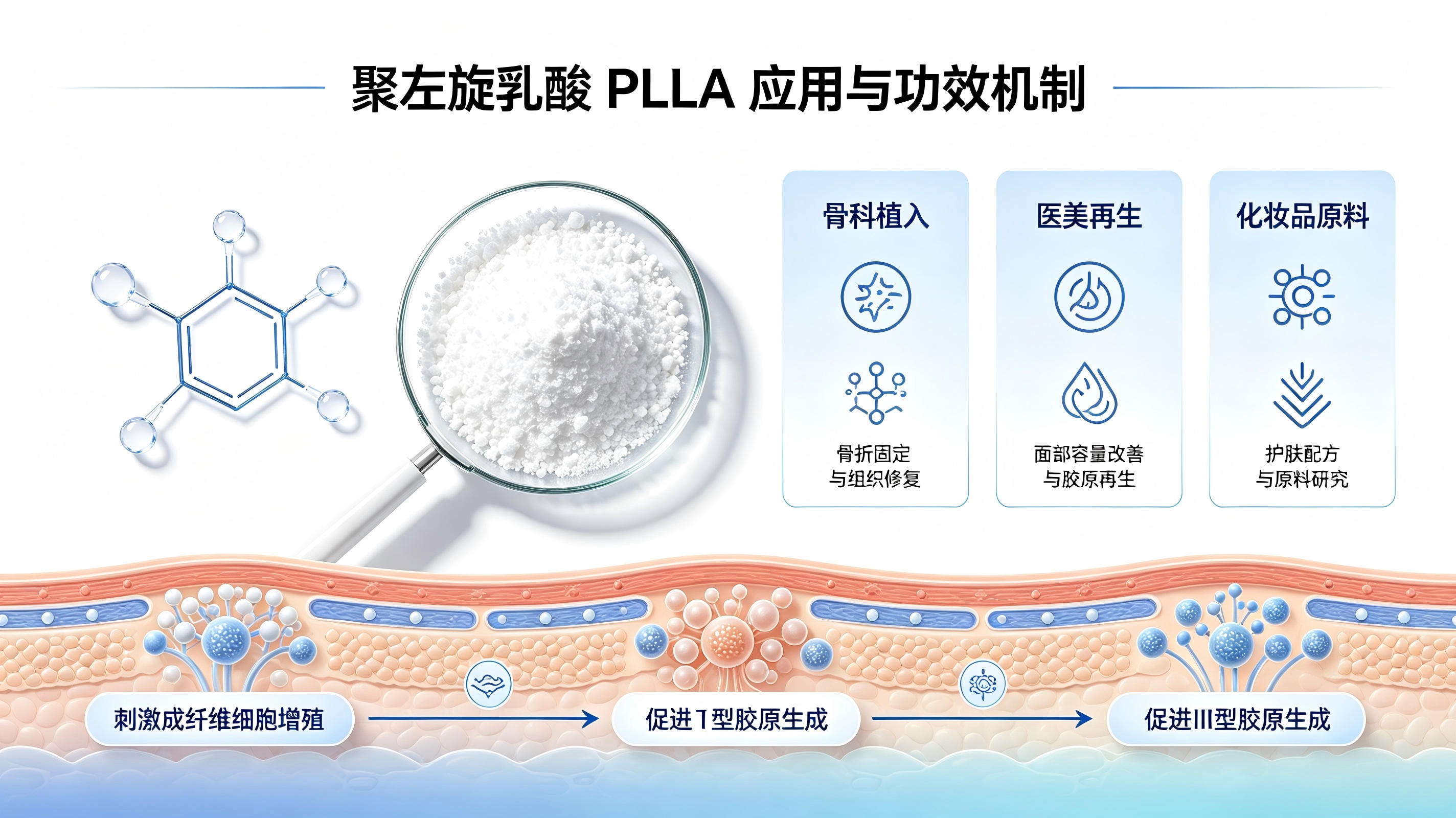
Poly-L-Lactic Acid (PLLA): Current Applications and Global Regulatory Landscape of a Regenerative Injectable Material

Against the backdrop of a rapidly growing regenerative medical aesthetics market, poly-L-lactic acid (PLLA) has long transcended the positioning of an ordinary filler material and become a globally recognized benchmark collagen-regenerative material in the field of facial rejuvenation. Unlike hyaluronic acid, which provides immediate physical volume replacement, PLLA is characterized by complete biodegradability and long-term stimulation of autologous collagen neogenesis. Over more than two decades of global clinical application, it has gradually built a reputation for both safety and long-term efficacy. With the recent acceleration of regulatory approvals for regenerative materials in China, clarifying its clinical progress and global regulatory framework is essential reference for industry practitioners and consumers alike.

Technical Review2026.08.21

From Laboratory to National Anti-Aging Boom: A Comprehensive Overview of Ergothioneine's Application Status

Ergothioneine (L-Ergothioneine, abbreviated as EGT) is a natural sulfur-containing amino acid derivative discovered in ergot fungi in 1909. Its molecular formula is C₉H₁₅N₃O₂S, with CAS No. 497-30-3. The pure product appears as white crystalline powder, is easily soluble in water, and will not auto-oxidize at physiological pH. It is a potent antioxidant that the human body cannot synthesize independently and must be ingested through diet or supplements. It has a dedicated OCTN1 transporter, which can target and accumulate in organs with high oxidative stress such as the liver, skin, and brain. In 2020, Nature listed it as a longevity-related biomarker.

FAQ

Quick answers about Wanlv’s materials, capabilities, and how to work with us.

What are the differences between industrial‑grade, food‑grade and medical‑grade hydroxyapatite? How to choose?

The three grades are differentiated mainly by application scenarios as well as quality and regulatory documentation requirements, and cannot be simply summed up by “purity level” alone. Industrial‑grade is mostly used for non‑edible, non‑implant industrial applications or formula testing. Food‑grade must comply with food‑related regulations and documentation requirements. Medical‑grade generally imposes stricter controls on impurities, batch records and intended‑use statements. For product selection, clarify end‑use, filing obligations and customer audit requirements first, then confirm available specifications and supporting documents. Xi’an Wanlv can supply and provide supporting documentation for industrial‑grade, food‑grade and medical‑grade upon discussion. All details are subject to formal inquiry confirmation.

What are the suitable application directions for PLLA, PDLLA and PCL as raw materials for aesthetic medical applications?

PLLA (Poly‑L‑lactic acid), PDLLA (Poly‑D,L‑lactic acid) and PCL (Poly‑caprolactone) all belong to the category of degradable polymer raw materials. However, they differ in degradation behavior, processing performance and formulation systems, and cannot be simply substituted for one another. Product selection shall take target dosage form, process window and regulatory compliance boundaries into consideration. If you are in the R&D or procurement‑evaluation phase, please share your intended application scenarios. Xi’an Wanlv will assist in matching available specifications and technical documentation.

What hydroxyapatite grades are available?

There are major differences among industrial‑grade, food‑grade and medical‑grade hydroxyapatite in end‑use applications, impurity control and batch documentation requirements. The grade cannot be judged merely by purity figures. Industrial‑grade hydroxyapatite is mainly used for non‑edible, non‑implant‑related industrial applications or formulation tests. Food‑grade material must comply with food‑related regulations. Medical‑grade hydroxyapatite requires the strictest standards for impurity limits, batch records and intended‑use documentation.

What is the difference between industrial, food, and medical hydroxyapatite grades?

Grades mainly differ by intended use and documentation/quality expectations—not a single purity number. Define end use and audit/filing needs first, then confirm specs and files. Xi'an Wanlv can discuss industrial/food/medical-grade supply—confirm via inquiry.

What is the difference between ceramides EOP, AP, NP, and AS?

Different ceramide structural types for barrier-repair formulas; often combined rather than used alone. Choice depends on chassis and sensory goals. Xi'an Wanlv can support specs and sampling.

Which actives are commonly used for anti-aging and brightening formulas?

Common directions include Pro-Xylane, ectoin, adenosine, retinol, HEPES; brightening such as 3-O-ethyl ascorbic acid, α-arbutin, tranexamic acid; antioxidants such as ergothioneine and carnosine. Start from benefit and chassis. Inquire with Xi'an Wanlv by target benefit.

How do I request COA, MSDS, and samples from an ingredient supplier?

Include material/grade, volume, application, and required files. Contact Xi'an Wanlv via the contact page, floating widget, gaoyanni@wanlvcn.com, or +86 187-0080-2901.