
3-O-Ethyl-L-ascorbic acidEthyl Ascorbic Acid
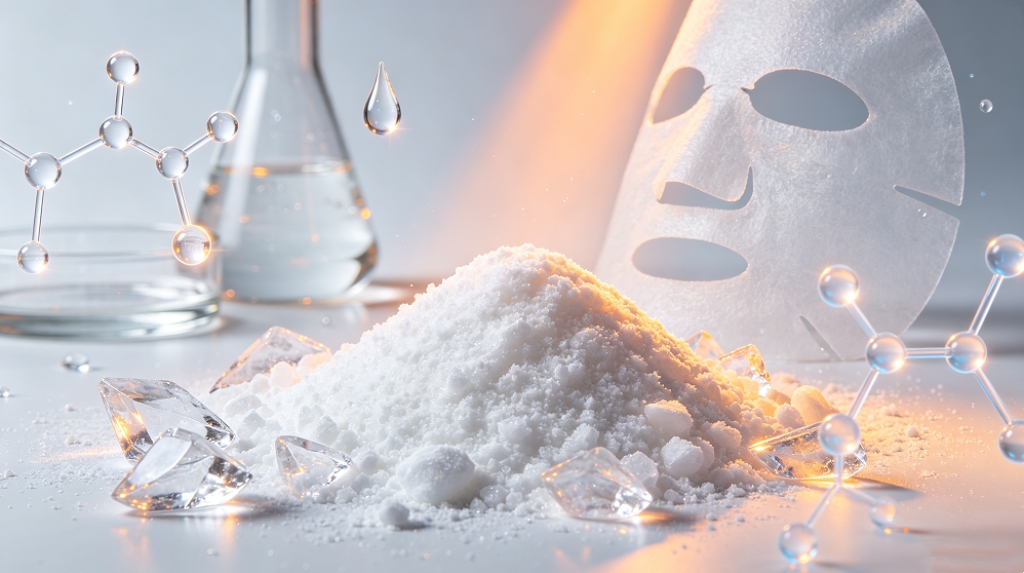
Ethyl Ascorbic Acid, a stable vitamin C derivative, is used in brightening and antioxidant formulations. Indicate purity and quantity upon inquiry. Xi'an Wanlv provides specification discussion, documents and sample support.
Overview
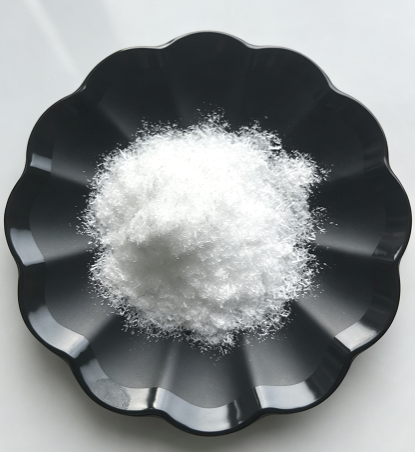
What is Vitamin C Ethyl Ether?Vitamin C Ethyl Ether, with the INCI name 3‑O‑Ethyl Ascorbic Acid, is a white to off‑white crystalline powder. It is an amphiphilic modified vitamin C derivative included in the China Inventory of Existing Cosmetic Ingredients (2021 Edition). Compared with native vitamin C, it offers better light and heat resistance and is less prone to oxidation and yellowing. It is more readily absorbed by the skin and, upon contact, is enzymatically converted into active vitamin C. It delivers antioxidant effects, helps even skin tone, and is widely used in leave‑on formulations such as serums, toners, lotions, creams and masks.
What is the recommended dosage in cosmetics?The recommended dosage is 0.5%–2.0%. For brightening‑focused formulas, the dosage can be increased to 2%–3%. It is not recommended for rinse‑off products due to limited functional performance. For high‑dosage formulas, irritation and stability evaluation shall be completed.
What are the advantages of Vitamin C Ethyl Ether?Compared with native L‑ascorbic acid, Vitamin C Ethyl Ether features greatly improved stability with a lower risk of oxidation and yellowing. Its amphiphilic molecular structure provides enhanced skin absorption, a wider applicable pH range for formulations and lower irritation. Compatible with a wide range of cosmetic actives, it is a formula‑friendly vitamin C derivative.
Key Parameters
Applications
Bright‑Toning Applications
Suitable for leave‑on skincare products such as brightening serums, masks, toners, lotions and creams. It helps improve skin dullness, evens out skin tone and optimizes the appearance of lackluster skin.
Anti‑Aging Care Applications
Compatible with anti‑aging serums, repairing creams and other formulations. It helps maintain the skin's collagen condition, soothes skin roughness and optimizes the appearance of skin texture. With antioxidant effects that scavenge free radicals, it cares for the skin, improves skin conditions caused by oxidation, and enhances the perceived elasticity of the skin.
Soothing & Repairing Applications
Can be formulated into sunscreen, soothing and repairing products. It helps counteract free radicals induced by UV radiation, assists formulations in relieving post‑sun skin discomfort, and is suitable for skin‑stabilizing formulations.
Other Skincare Categories
Compatible with skincare and makeup formulations such as essences, gels and makeup primers. Leveraging its amphiphilic physicochemical properties, it can be easily incorporated into a variety of formulation systems.
Product FAQ
What kind of raw material is Vitamin C Ethyl Ether?
Vitamin C Ethyl Ether, INCI name 3‑O‑Ethyl Ascorbic Acid, is a highly stable modified vitamin‑C derivative. It is listed in Inventory of Existing Cosmetic Ingredients of China (2021 Edition). As a compliant cosmetic raw material, no new‑raw‑material filing is required, and it can be legally used in skincare formulation production.
Is 3‑O‑Ethyl Ascorbic Acid compliant for use?
Fully compliant. This raw material is officially included in China IEIC inventory and meets cosmetic safety specifications. It is neither prohibited nor restricted. It can be widely used in leave‑on skincare products, and finished goods can be filed and launched normally.
What is the difference between Vitamin C Ethyl Ether and ordinary Vitamin C?
Compared with conventional L‑ascorbic acid, Vitamin C Ethyl Ether features better resistance to light, heat, acid and alkali, and hardly oxidizes or turns yellow with greatly improved stability. It is amphiphilic for better skin absorption, wider formulation compatibility and lower irritation, making it a commercial‑grade vitamin‑C raw material suitable for mass production.
What is the recommended dosage of Vitamin C Ethyl Ether?
Recommended dosage for general skincare formulations: 0.5%‑2.0%. For formulas focusing on brightening and antioxidant performance, dosage can be increased to 2.0%‑3.0%. Not recommended for rinse‑off products such as cleansers and body washes. Stability and irritation assessment is suggested for high‑dosage formulas.
Does Vitamin C Ethyl Ether discolor or deactivate easily?
Hardly discolors or deactivates. Its ethyl‑modified structure locks bioactivity, avoiding common drawbacks of traditional Vitamin C such as oxidation, yellowing and activity loss. It delivers longer shelf‑life for finished products and excellent formulation stability.