
Poly‑L‑Lactic AcidPLLA
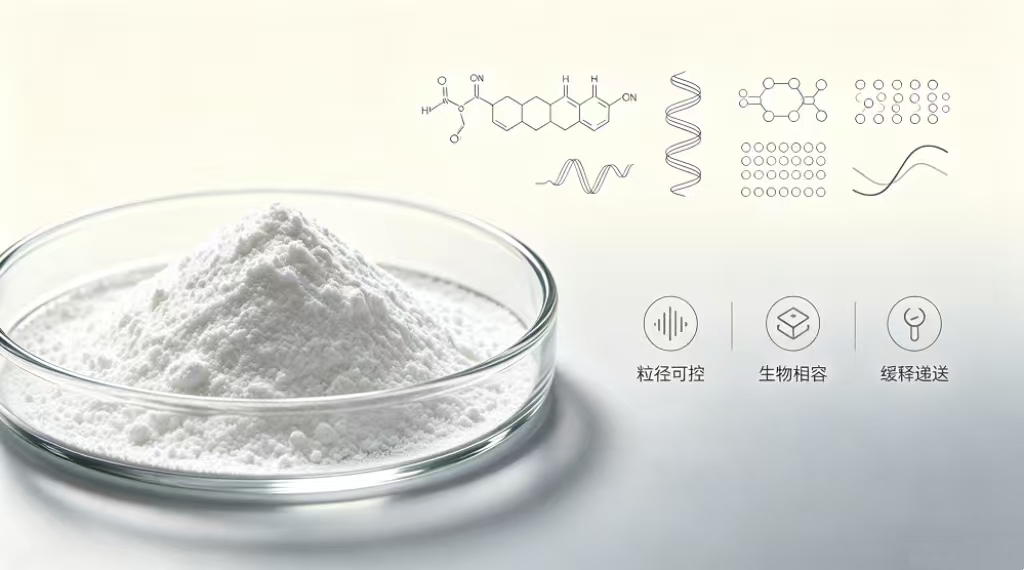
For procurement of PLLA poly(L-lactic acid) microspheres, confirm end use, microsphere particle size, spherical morphology and packaging specifications prior to purchase. Xi'an Wanlv offers specification-based supply, full batch documents and sample inquiry support.
Overview
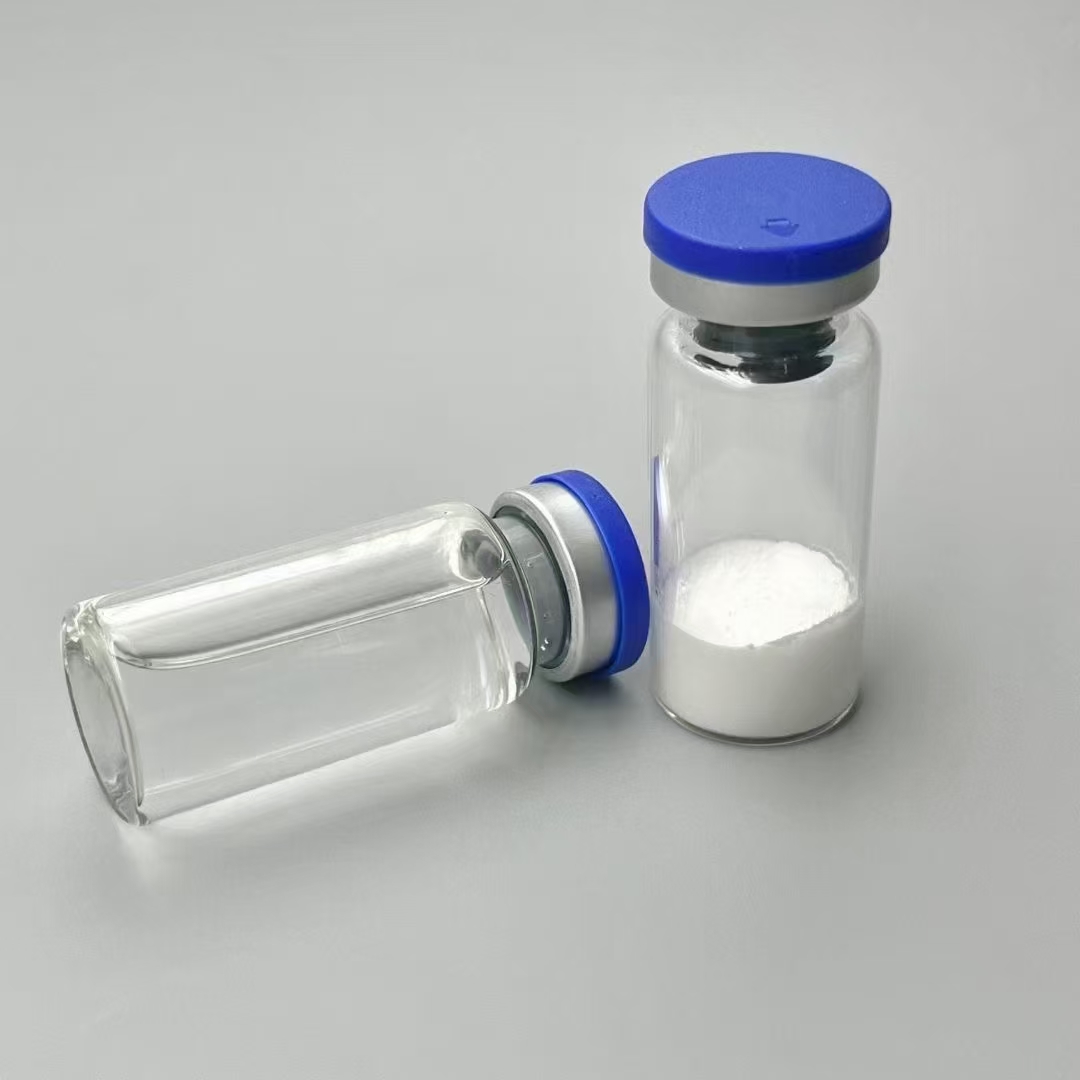
What is PLLA (Poly‑L‑Lactic Acid)?PLLA (Poly‑L‑Lactic Acid) microspheres are medical‑grade degradable polylactide polymer microspheres, serving as upstream raw materials for regenerative medical devices, tissue engineering and drug sustained‑release applications. Most particles exhibit irregular morphology with favorable biocompatibility. Downstream finished products shall complete full biological evaluation and corresponding medical‑device registration prior to use. The material undergoes gradual hydrolytic degradation in‑vivo, generating lactic‑acid‑related acidic by‑products and is ultimately metabolized into carbon dioxide and water. It can act as scaffold substrate supporting collagen neogenesis, and is primarily used for Class‑III medical device formulation development in regenerative filling, soft‑tissue repair and sustained‑release drug delivery. ⚠️ This raw material must not be injected directly into human body; for formulation development only.
Key Parameters
Applications
Regenerative Class‑III Medical Device Formulation Development
1. Formulation development for soft‑tissue regenerative filling injectables: Serves as scaffold substrate for collagen neogenesis for R&D of injectable regenerative filling products. The powder requires hydration and standing treatment prior to use, and can be compounded with carriers such as CMC gel to prepare injectable formulations. The performance of finished products mainly derives from host tissue response rather than immediate physical volume‑filling effect. 2. Soft‑tissue repair: Can be compounded with other biomacromolecules and inorganic powders to develop soft‑tissue‑repair medical devices for formulation research in soft‑tissue repair.
Drug Sustained‑Release Delivery System
Acts as a degradable polymer carrier for encapsulating peptides, proteins and small‑molecule chemical drugs to prepare subcutaneously injectable sustained‑release microsphere formulations. It supports development of long‑acting release preparations to reduce administration frequency. Suitable for new‑drug innovation, modified‑new‑drug prescription screening and formulation‑process development.
Tissue Engineering & Biomaterial Research
Porous scaffold fabrication: blended with polymers to produce degradable porous scaffolds for research experiments on subcutaneous, bone and cartilage repair. Used as raw material for 3D‑printing consumables to fabricate degradable tissue‑engineering scaffolds. Animal studies: pharmacological and material‑science evaluation of in‑vivo degradation behavior, biocompatibility and tissue response.
Scientific‑Research Applications
Fundamental material research for universities, research institutes and CROs; polymer modification & composite‑material research; in‑vitro cell experiments and in‑vivo animal evaluation tests.
Product FAQ
What are PLLA Microspheres?
PLLA (Poly‑L‑Lactic Acid) microspheres are medical‑grade degradable polylactide polymer microspheres, mostly with irregular particle morphology and favorable biocompatibility (downstream finished products shall complete full biological evaluation). The material can be developed as scaffold substrate supporting collagen neogenesis, and applied in formulation R&D of Class‑III medical devices for regenerative filling preparations, drug sustained‑release and tissue‑engineering applications. It undergoes hydrolytic degradation in‑vivo, generating lactic‑acid‑related acidic by‑products and is ultimately metabolized into carbon dioxide and water.
What are the key differences between PLLA and PCL Microspheres?
PCL microspheres feature smooth particle surfaces with longer degradation cycles and fewer acidic degradation by‑products. When compounded with CMC‑gel carriers for downstream preparations, they offer potential for immediate physical volume‑filling effect. PLLA mostly presents irregular particle morphology; preparations compounded from PLLA deliver no immediate filling effect, and powder hydration & standing is required prior to formulation. Material properties differ between the two polymers. Final performance of finished products is subject to multiple factors including formulation recipe, injection procedure and individual variability.
What is the complete selection workflow for PLLA Microspheres?
① Define intended use: Distinguish among regenerative medical devices, drug sustained‑release and tissue‑engineering scenarios, and clarify intended application of end‑use medical devices. ② Verify specification parameters: Confirm target molecular weight, D50 particle size and particle‑size span, and match appropriate sterilization method. ③ Validate technical documentation: Obtain COA, impurity test reports, endotoxin data, residual‑solvent results and registration‑supporting technical documents to carry out project compatibility assessment.
Does complete set of test documents guarantee full project compatibility?
All specifications, lead‑time, quotation and custom‑development capacity are subject to written confirmation upon formal inquiry. You may contact our sales team to obtain samples, COA and registration‑supporting documents for formulation bench‑scale trials and registration feasibility evaluation.