
Adenosine9‑β‑D‑Ribofuranosyladenine
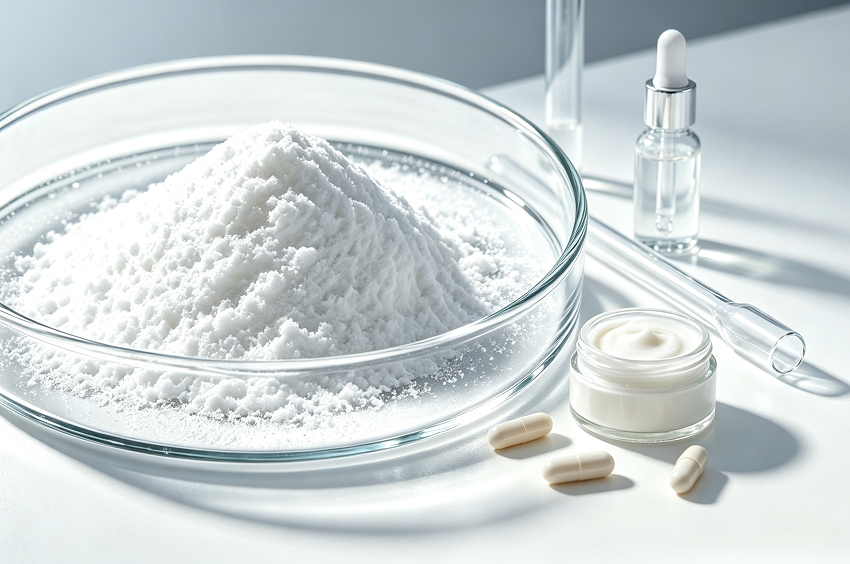
Adenosine applies to R&D of skincare and scalp care formulations. Confirm grade, purity and packaging upon inquiry. Xi'an Wanlv offers matching available specifications, documents and sample support.
Overview
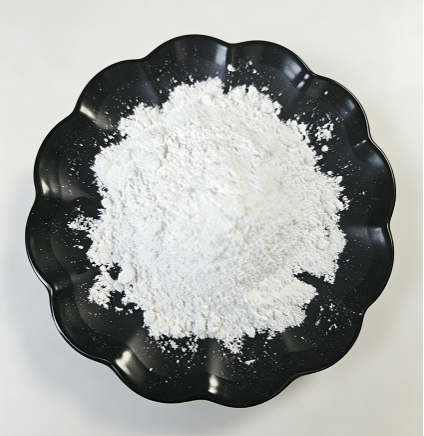
What is Adenosine?Adenosine, INCI: ADENOSINE, CAS: 58‑61‑7, also known as adenine nucleoside, is an endogenous purine nucleoside active molecule present in human cells. It participates in skin cell energy metabolism and cell signal transduction. Produced by fermentation process, it appears as white crystalline powder. Listed in China Inventory of Existing Cosmetic Ingredients (2021 Edition) as a cosmetic raw material. It features good compatibility and shows application potential in anti‑wrinkle, soothing and skin‑barrier repair. It is widely applied in anti‑aging serums, creams, eye creams and skincare products for sensitive‑prone skin. It can also be used as pharmaceutical intermediate and for biological‑research purposes.
Key Parameters
Applications
Cosmetic Applications
1. Anti‑aging repair: It can enhance the activity of dermal fibroblasts, support the production of collagen and elastin, and show application potential for fine lines and skin laxity. It soothes damaged skin and strengthens the skin barrier. 2. Scalp care: Activates hair follicle cells, extends hair growth phase. Frequently used in scalp‑care washing formulas to maintain follicle health and improve root condition. 3. Soothing & stabilizing: Modulates partial pruritus‑ and redness‑related mediators, helps relieve redness and discomfort. Suitable for barrier‑repair skincare for sensitive and sensitive‑prone skin.
Pharmaceutical‑field Applications
Serves as a pharmaceutical synthetic intermediate for R&D and manufacturing of adenosine‑based drugs.
Other Industrial / Biological Uses
1. Biochemical reagent: Component of cell culture media; for cellular energy metabolism research. 2. Intermediate: Raw material for synthesis of ATP (adenosine triphosphate) and adenosine‑derived drugs.
Product FAQ
What is Adenosine and what is its relationship with ATP?
Adenosine, CAS: 58‑61‑7, is an endogenous purine nucleoside substance in human cells. It is produced by fermentation and appears as white crystalline powder. ATP (Adenosine Triphosphate) is a triphosphate derivative of adenosine. Adenosine serves as the core building‑block for ATP synthesis, and the two are closely related in cellular energy metabolism. Adenosine is a compliant raw material listed in China Inventory of Existing Cosmetic Ingredients (2021 Edition). It can also be used as a pharmaceutical intermediate and biochemical research reagent.
What is the recommended dosage of Adenosine in cosmetics?
For leave‑on products (serums, creams, eye creams), the recommended dosage is 0.04%‑1.0%. For rinse‑off products, the recommended dosage is ≤0.041%. Pay attention to formulation pH at high dosage; the suitable pH range is 5.0‑7.0. It can be compounded with Pro-Xylane, hyaluronic acid and multiple cosmetic peptides for synergistic effects.
Can Adenosine be used in scalp‑care washing formulas?
Yes, it can be applied in scalp‑care washing products. Adenosine helps maintain hair follicle cell vitality and is widely used in scalp‑care formulations. Note: It shall not be claimed for hair‑growth, anti‑hair‑loss or hair‑fall reduction and other special‑cosmetic claims. Relevant special‑function claims require finished‑product special‑cosmetic registration.
What about domestic and international regulatory status?
Listed in China Inventory of Existing Cosmetic Ingredients (2021 Edition); approved by CIR safety assessment; permitted for cosmetic use in Japan, South Korea and the European Union.