
Piroctone Olamine(OCT)Piroctone Olamine
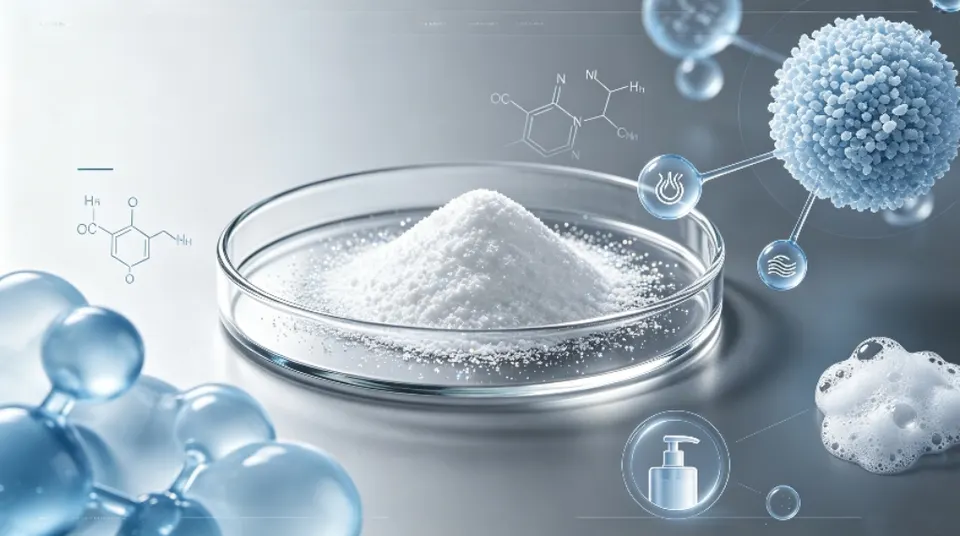
Prior to purchasing Piroctone Olamine raw material, please confirm its grade, purity and packaging. This product is suitable for R&D of base materials in personal care and daily chemical formulations. Xi'an Wanlü can provide complete supporting documents including COA, SDS and TDS.
Overview
What is Piroctone Olamine?
Pyrithione Ethanolamine Salt (OCT) is a hydroxypyridone broad-spectrum anti-dandruff cosmetic raw material compliant for use in China. It acts on Malassezia to help improve dandruff and scalp itching. It also delivers preservative-boosting effects and helps condition the scalp lipid environment. Zinc-free, it is compatible with cationic surfactants and suitable for transparent formulations. It shows good mildness when dosed within the regulatory limits. The maximum permitted addition level is 1.0% for rinse-off products and 0.5% for leave-on products. Compared with ZPT, it is better suited for leave-on items such as scalp serums. Its limitations: its anti-dandruff performance is inferior to ketoconazole (ketoconazole is a medicinal ingredient and not permitted in ordinary cosmetics). It has moderate photostability; formulations containing it require light protection and must not be combined with nitrites.
What is the maximum recommended addition dosage?
Up to 1.0% for rinse‑off products (shampoo, body wash); Up to 0.5% for leave‑on products (scalp serum, hair conditioner). EU limits are consistent with China’s regulations.
Why does the shampoo turn yellow after adding OCT?
Color‑reaction between OCT and trace ferric ions in water. Solutions: Use deionized water, add chelating agent, avoid iron equipment, adopt high‑purity raw material.
Learn more:OCT Piroctone Olamine: A Mild and High-Efficiency Mainstream Anti-Dandruff Raw Material
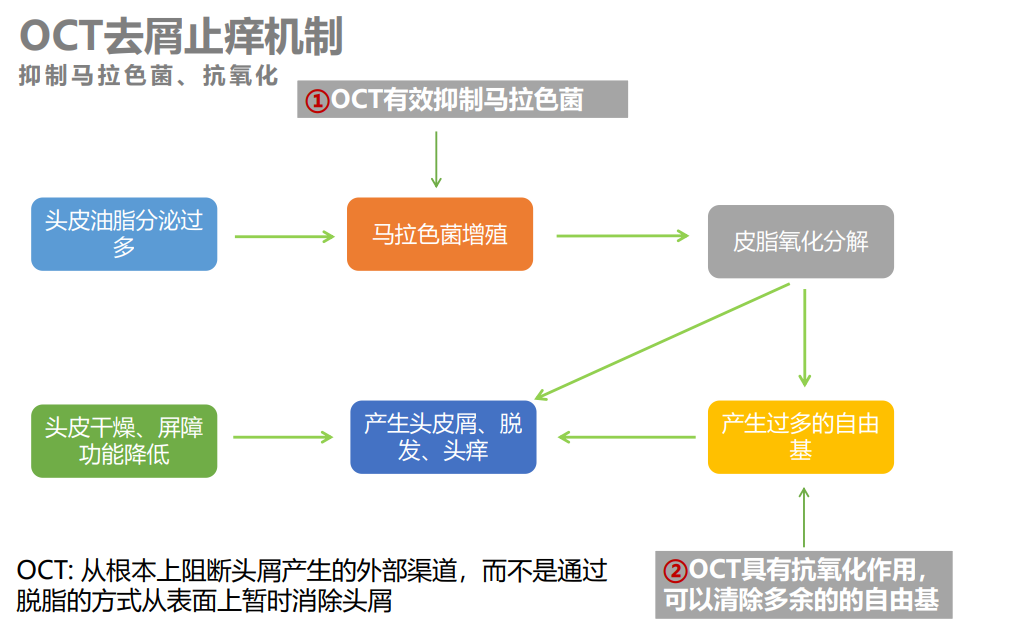
Figure 1 – Mechanism of Pyrithione Ethanolamine Salt (OCT)
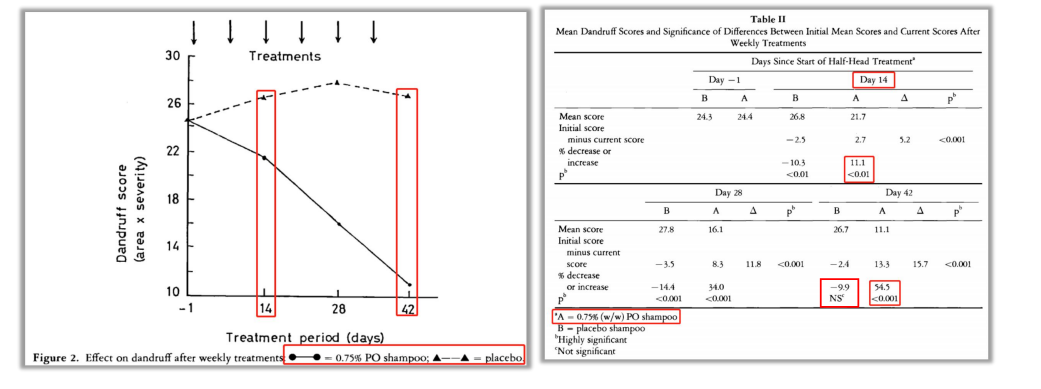
Figure 2 – Anti-dandruff Efficacy Test of Pyrithione Ethanolamine Salt (OCT)
Key Parameters
Applications
Scalp Anti‑dandruff Care
Applied in shampoos and scalp serums to gently relieve dandruff and scalp itch.
Hair‑care Formula Development
Suitable for transparent hair‑care systems, compatible with multiple active ingredients for sulfate‑free premium hair‑care products.
Multi‑category Extended Uses
Extended to body deodorant, foot‑care and oil‑control soothing skincare products.
Product FAQ
What is Piroctone Olamine?
Piroctone Olamine (INCI: Piroctone Olamine, CAS: 68890‑66‑4) is a broad‑spectrum antifungal anti‑dandruff active raw material listed in the *Inventory of Existing Cosmetic Ingredients (2021 Edition)*. It appears as white to pale‑yellow crystalline powder. It inhibits the proliferation of Malassezia to relieve dandruff and scalp itching, and also delivers antibacterial & deodorizing effects as an auxiliary preservative. Compatible with transparent hair‑care formulas, it is widely used in shampoo, conditioner, scalp care and foot deodorant formulations.
What is the legal dosage limit for cosmetics?
According to Technical Specification for Cosmetic Safety, the maximum dosage is 1.0% for rinse‑off products and 0.5% for leave‑on products. Recommended dosage: 0.3‑0.8% for shampoo; 0.1‑0.3% for conditioner & hair mask; 0.1‑0.3% for leave‑on scalp lotion; 0.1‑0.3% for deodorant products. Do not exceed regulatory limits.
What are the differences between Piroctone Olamine and Zinc Pyrithione(ZPT)?
Piroctone Olamine enables transparent formulations, has minimal impact on hair‑dye color, features relatively lower irritation and is applicable for leave‑on scalp products. ZPT is poorly soluble and mostly used in rinse‑off shampoo, not suitable for transparent systems.
What are common formulation abnormalities?
Micro‑crystal precipitation and system turbidity may occur under low‑temperature or low‑pH conditions. It has poor solubility in pure‑water systems and needs solubilization by polyols or surfactants. Freeze‑thaw and heat‑cool cycle stability tests are mandatory during formulation development.