
Pro-XylaneHydroxypropyl Tetrahydropyrantriol
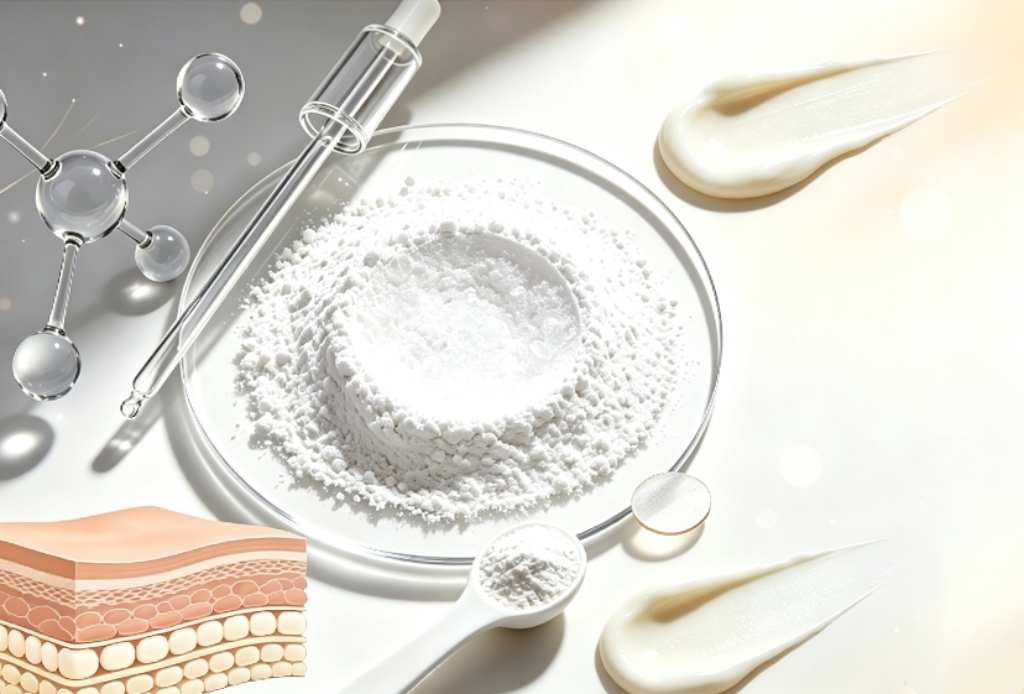
Pro-Xylane applies to R&D of moisturizing skincare formulations. Specify purity, content specifications and packaging upon inquiry. Xi'an Wanlv provides matching specifications, documents and sample support.
Overview
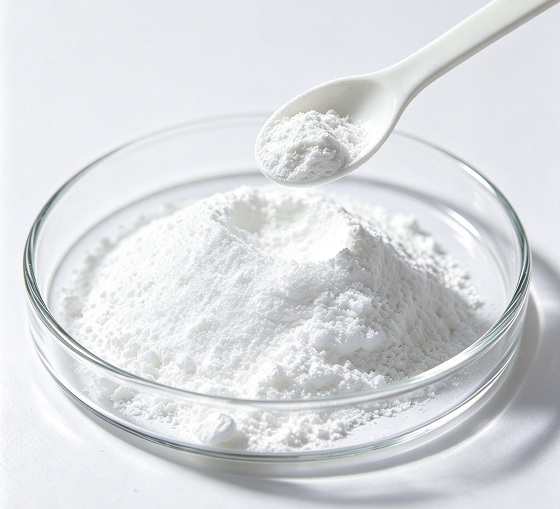
What is Pro‑Xylane?INCI Name: Hydroxypropyl Tetrahydropyrantriol. It is a xylose‑derived anti‑aging ingredient originally developed by L’Oréal. It is not a plant extract but a synthetic glycosaminoglycan‑boosting raw material. Its core mechanism is to stimulate the production of skin glycosaminoglycans and proteoglycans to replenish the dermal extracellular matrix.
What is the effective dosage for finished cosmetics?5‑10% stock solution: barrier repair, mild anti‑aging, suitable for sensitive skin 20‑30% stock solution: improve sagging and fine lines, preferred for mature skin
SolubilityFreely soluble in water, glycerin, propylene glycol; insoluble in oils. It is a water‑soluble ingredient, harder to formulate into water‑in‑oil emulsions.
Key Parameters
Applications
Dermal Anti‑Aging & Plumping
Boosts dermal glycosaminoglycan synthesis, alleviates sagging, fine lines and volume loss for dermis‑level firming and anti‑aging.
皮肤屏障修护
Strengthens dermal‑epidermal junction, repairs damaged barrier, soothes redness & sensitivity,
Targeted Local‑Area Care
Formulated for delicate areas such as eyes and neck to reduce local wrinkles and laxity; can also be used for anti‑aging scalp‑care.
Product FAQ
What is the INCI name and CAS No. of Pro‑Xylane?
INCI: Hydroxypropyl Tetrahydropyrantriol, CAS:439685‑79‑7, a skin‑conditioning ingredient listed in the China Cosmetic Ingredient Inventory.
What is recommended dosage and applicable formulations?
Recommended dry‑material dosage:0.5‑10.5% for leave‑on cosmetics; max 2.0% for eye‑area formulations. Suitable for serums, creams, eye creams, facial masks. Not recommended for rinse‑off products.
Processing conditions: solubility, pH & temperature?
Freely water‑soluble, add in water phase. Optimal pH:4.5‑7.5. Suggest adding below 40‑60℃. Avoid strong acid or alkaline environment.