
Acetyl Tetrapeptide-9Dermican
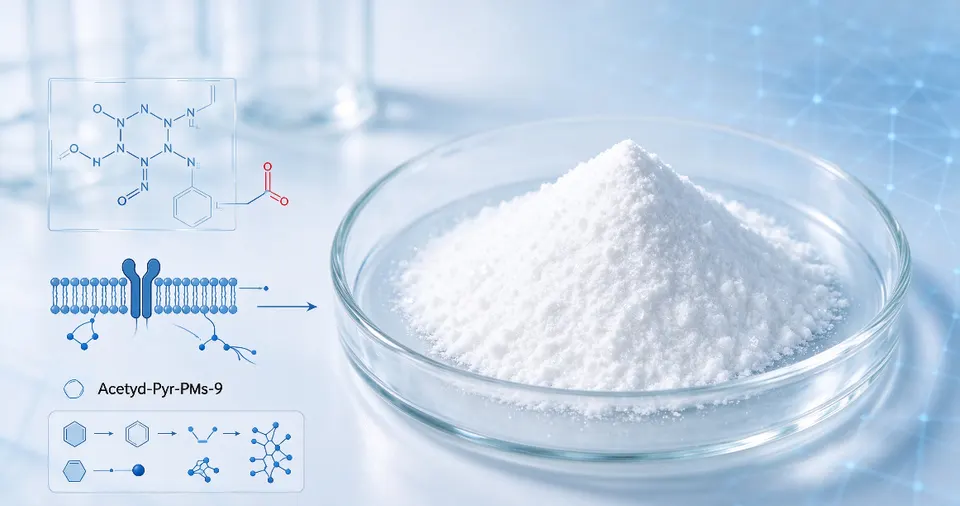
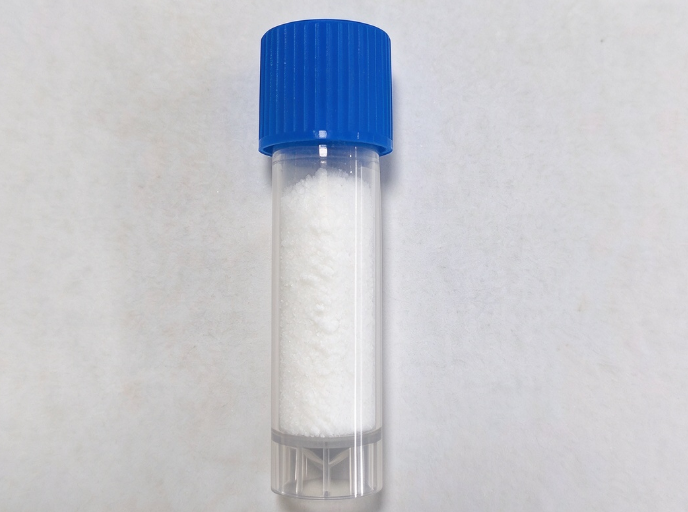
Acetyl Tetrapeptide-9, a signaling cosmetic peptide, CAS: 928006-50-2. It is a white powder produced by solid-phase synthesis with HPLC ≥98%, featuring good water solubility. Suitable for formulation of essence, cream and other skincare products for firming & conditioning. Xi'an Wanlv provides COA, MSDS, sample test support and bulk supply.
Overview
What is Acetyl Tetrapeptide-9?
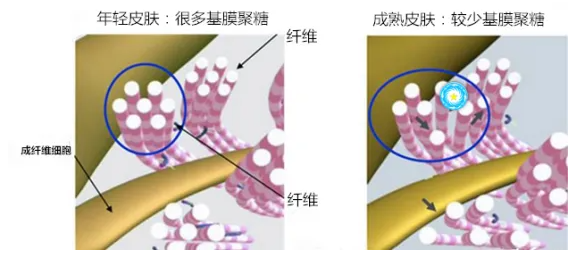
Acetyl Tetrapeptide-9, trade name Dermican, is a water-soluble signaling cosmetic peptide, CAS: 928006-50-2. In vitro studies indicate that it may upregulate the expression of Lumican proteoglycan and type I collagen, helping organize the arrangement of collagen fibers. Recommended active dosage for formulation: 15–25 ppm. It is mild in nature and suitable for leave-on skincare products such as serums and creams for firming & conditioning. It can be used in formulations of ordinary cosmetics that have completed domestic filing in China.
Disclaimer: The above describes the in vitro research mechanism of the raw material, for formulation R&D reference only. It does not constitute a functional claim for finished cosmetic products. Finished product efficacy claims shall be completed by the enterprise in accordance with relevant regulations, including efficacy evaluation and filing.
Key Parameters
Applications
Skincare & Cosmetic Applications
1. Facial firming formulations: Suitable for leave-on products such as firming serums, creams and contour care lotions. In vitro studies show this peptide participates in pathways regulating collagen fiber arrangement. 2. Periorbital care formulations: Applicable in eye serums and eye creams, compatible with periorbital care systems. 3. Neck & hand care formulations: Can be incorporated into neck creams, neck masks and hand care lotions, acting on dermal protein-related pathways. 4. Moisturizing & soothing formulations: Can be formulated in masks and emulsions, combined with moisturizing and soothing actives.
Product FAQ
What is Acetyl Tetrapeptide-9?
Acetyl Tetrapeptide-9, trade name Dermican, is a signaling peptide. In vitro studies show it may upregulate Lumican proteoglycan expression and help organize the type I collagen fiber network. It is not a muscle-inhibiting peptide.
What is the difference between Acetyl Tetrapeptide-9 and Acetyl Hexapeptide-8?
They work through entirely different pathways. Acetyl Hexapeptide-8 acts on neurotransmitter-related pathways and is commonly used in formulations targeting dynamic expression lines. Acetyl Tetrapeptide-9 is a collagen-regulating peptide; it does not act on muscles and focuses on the regulation of collagen fiber arrangement. The two are often combined in formulation development.
How to choose between Acetyl Tetrapeptide-9 and Hexapeptide-9 (Collaxyl)?
Acetyl Tetrapeptide-9: focuses on the ordered arrangement regulation of collagen fibers, suitable for formulations targeting dermal collagen architecture. Hexapeptide-9 (Collaxyl): focuses on DEJ (dermo-epidermal junction) regulation. In vitro studies indicate it can upregulate the expression of multiple collagens, suitable for formulations targeting the dermo-epidermal junction structure.
What is the recommended dosage of Acetyl Tetrapeptide-9 in finished products?
Recommended dosage range for finished formulations: 0.001%–0.05% (10–500 ppm). The addition level can be adjusted within this range according to system requirements.