
Acetyl Tetrapeptide-5Eyeseryl
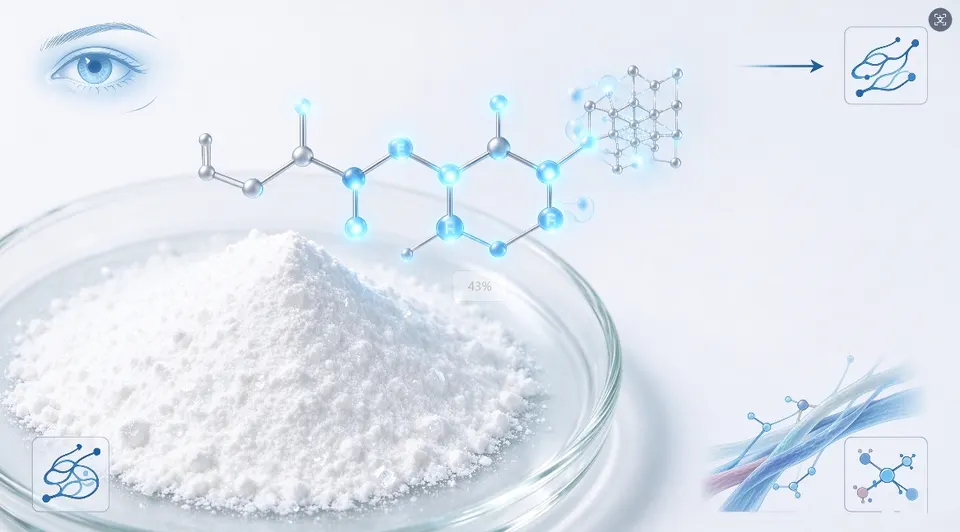
Acetyl Tetrapeptide-5 (Eyeseryl), a water-soluble synthetic tetrapeptide. In vitro, it inhibits ACE-1 and helps maintain periorbital microcirculation; it suppresses protein glycation and helps preserve collagen fibers. Suitable for eye cream and eye serum formulations, applicable at low dosage. Gentle and compatible with sensitive periorbital skin. COA, MSDS and samples are available upon request.
Overview
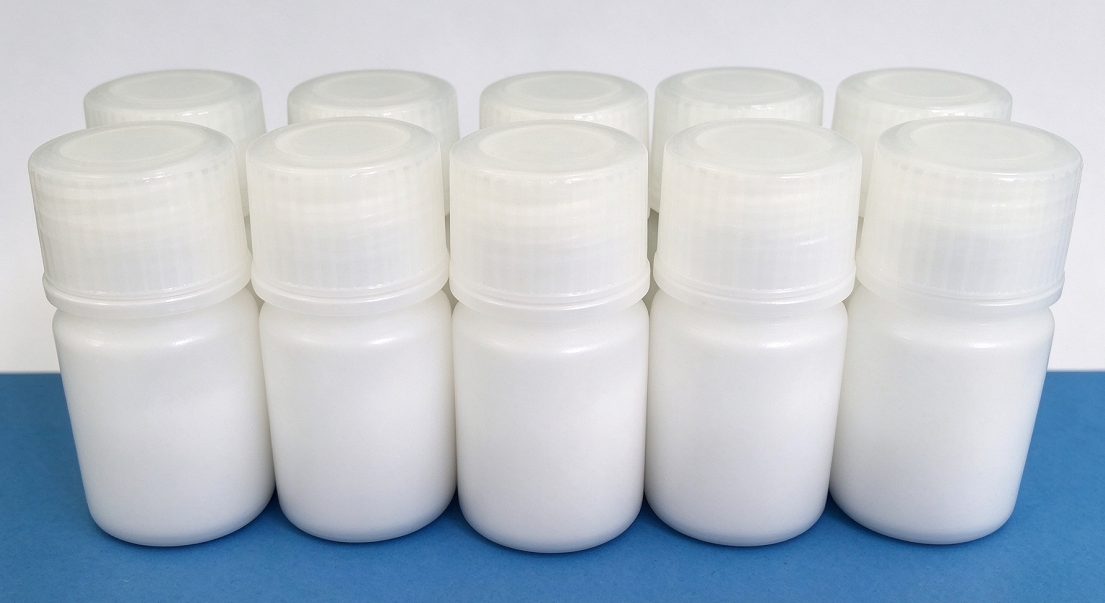
What is Acetyl Tetrapeptide-5?
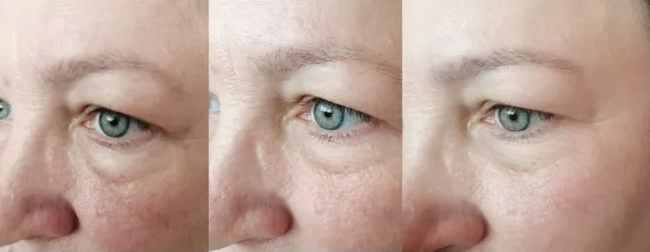
Acetyl Tetrapeptide-5 (also known as Eyeseryl) is a synthetic water-soluble tetrapeptide for cosmetics. In vitro tests show that this ingredient inhibits ACE, reduces capillary permeability and tissue fluid accumulation, and delivers anti-glycation and antioxidant activity. It can be incorporated into eye cream and eye serum formulations to help maintain collagen elasticity. As a formula component only, this raw material may assist formulations in improving the appearance of edematous eye puffiness and vascular-type periorbital dullness. It has limited effect on fat-herniated eye bags and pigmented dark circles. Recommended formulation guideline: add in aqueous phase under low temperature, with active peptide dosage of 0.01–0.1%. This product is a cosmetic skincare raw material, not a medicinal ingredient.
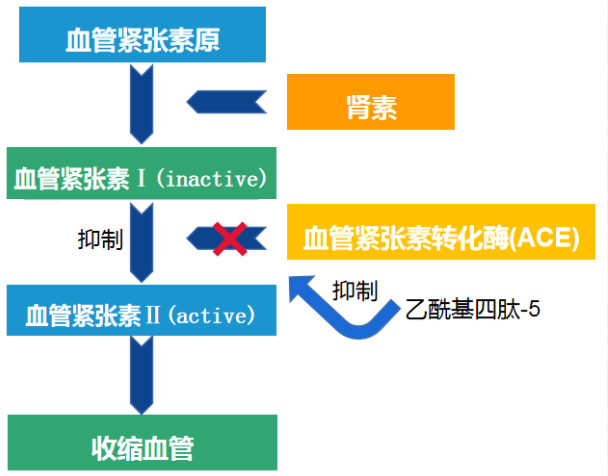
Mechanism of Action of Acetyl Tetrapeptide-5
In vitro, Acetyl Tetrapeptide-5 acts as an angiotensin-converting enzyme (ACE) inhibitor. It inhibits the synthesis of angiotensin II, lowers capillary permeability and reduces tissue fluid infiltration into periorbital tissue, helping reduce the appearance of edema.
Key Parameters
Applications
Eye Care
1. Formulation application for periorbital puffiness: In vitro, it inhibits ACE-1, reduces capillary permeability and tissue fluid accumulation. As a formula component, it can assist eye care formulations to improve the appearance of edematous eye puffiness. 2. Formulation direction for periorbital dullness: In vitro, it modulates capillary permeability. It can be used in eye formulas targeting vascular-type dullness, helping brighten the periorbital area. 3. Anti-glycation care: In vitro, it inhibits glycation reactions, protects collagen and elastin, reduces skin aging damage caused by glycation, and preserves the elasticity of periorbital skin. 4. Applicable formulation systems: Eye creams, eye serums, eye masks, eye gels and other eye care formulations.
Facial Anti-Aging & Repair
1. Facial anti-glycation care: Can be incorporated into anti-aging formulations (anti-wrinkle creams, firming serums, etc.). Relying on in vitro anti-glycation and antioxidant activity, it protects collagen elasticity and helps formulations maintain the appearance of skin firmness. 2. Formulation direction for facial dullness and puffiness: With in vitro antioxidant properties and capillary permeability modulation, it can be used in formulas targeting facial puffiness and glycation-induced sallow complexion to boost skin radiance. 3. Applicable formulation systems: Anti-wrinkle creams, firming serums, repairing serums, facial masks, etc.
Product FAQ
What is Acetyl Tetrapeptide-5? INCI and Aliases?
Acetyl Tetrapeptide-5 is a synthetic acetylated tetrapeptide, trade name Eyeseryl®. INCI: Acetyl Tetrapeptide-5, CAS: 820959-17-9, Sequence: Ac-β-Ala-His-Ser-His-OH. Appearance: white to off-white lyophilized powder. It is a water-soluble cosmetic peptide, widely used in eye care formulations.
What is the mechanism of action of Acetyl Tetrapeptide-5?
Dual-pathway in vitro activity: ① It inhibits ACE in vitro, reduces capillary permeability and tissue fluid leakage, helping formulations ease the appearance of periorbital puffiness. ② It suppresses protein glycation in vitro, reduces AGEs formation, protects elastin and mitigates glycation-induced elastic damage. This raw material is suitable for eye formulas targeting edematous puffiness and vascular dullness.
What is the recommended dosage in finished products? How to distinguish lyophilized powder from stock solution?
Recommended active peptide dosage in finished formulations: 0.01% ~ 0.05%, max 0.1%. Two available forms: lyophilized powder (high purity HPLC≥98%) and 1000ppm aqueous stock solution. Please distinguish them during procurement and formulation. The addition rate of stock solution needs conversion based on peptide activity; the dosage of powder cannot be applied directly.
What are the differences between Acetyl Tetrapeptide-5, Dipeptide-2 and Acetyl Hexapeptide-8? Can they be blended?
Acetyl Tetrapeptide-5: reduces fluid leakage and delivers anti-glycation activity in vitro, suited for periorbital puffiness formulas. Dipeptide-2: acts on lymphatic-related pathways in vitro to facilitate excess tissue fluid metabolism. Acetyl Hexapeptide-8: targets neurotransmitter pathways for dynamic wrinkle formulas. The three peptides can be combined as a classic eye peptide blend, working synergistically to soothe puffiness and preserve skin elasticity. It can also be combined with caffeine and panthenol.