
What is GHK-Cu Copper Tripeptide-1?
1. Chemical Structure and Origin
GHK-Cu is a tripeptide formed by three amino acids — glycine (Gly), histidine (His) and lysine (Lys) linked via peptide bonds, which further binds to one copper ion (Cu²⁺) through coordination bonds. Its molecular weight is approximately 340 Da (for the bare tripeptide) + 63.5 Da (for copper), making the total molecular weight of the entire complex around 403.5 Da.
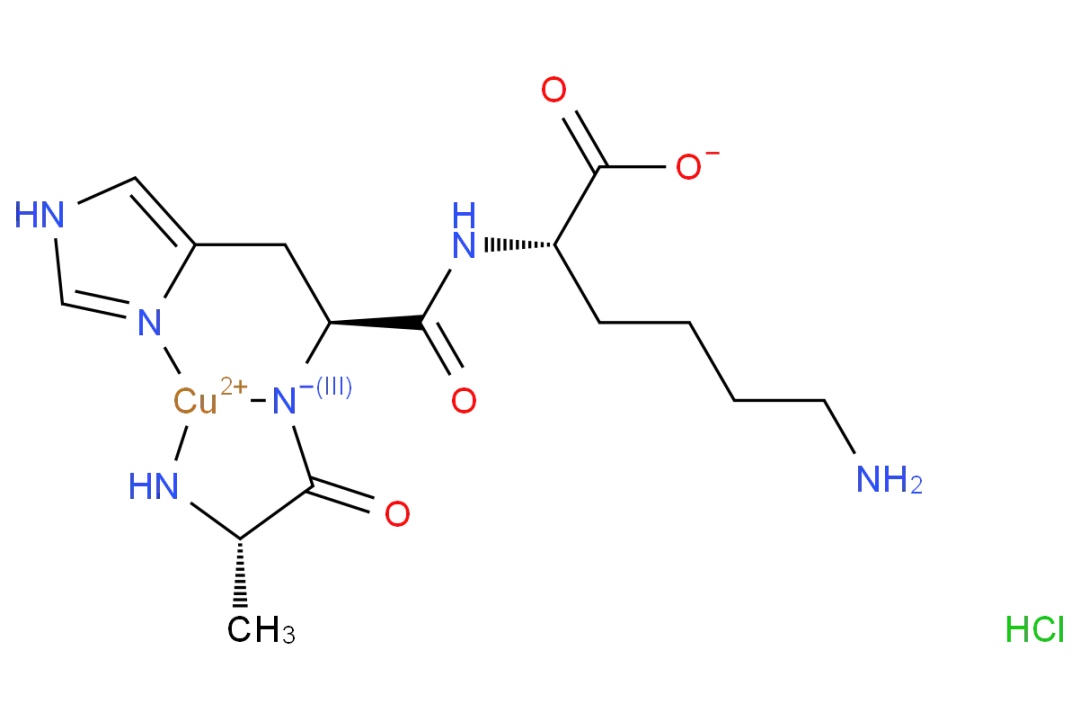
Naturally occurring GHK is widely distributed in human plasma, saliva and urine, with a normal plasma concentration of about 200 ng/mL. As people age, the body’s GHK level drops significantly: plasma GHK concentration is approximately 200 ng/mL at the age of 20, and may fall below 80 ng/mL by the age of 60. This declining trend is highly correlated with skin aging and impaired tissue repair capacity, which provides a solid theoretical basis for exogenous GHK-Cu supplementation.
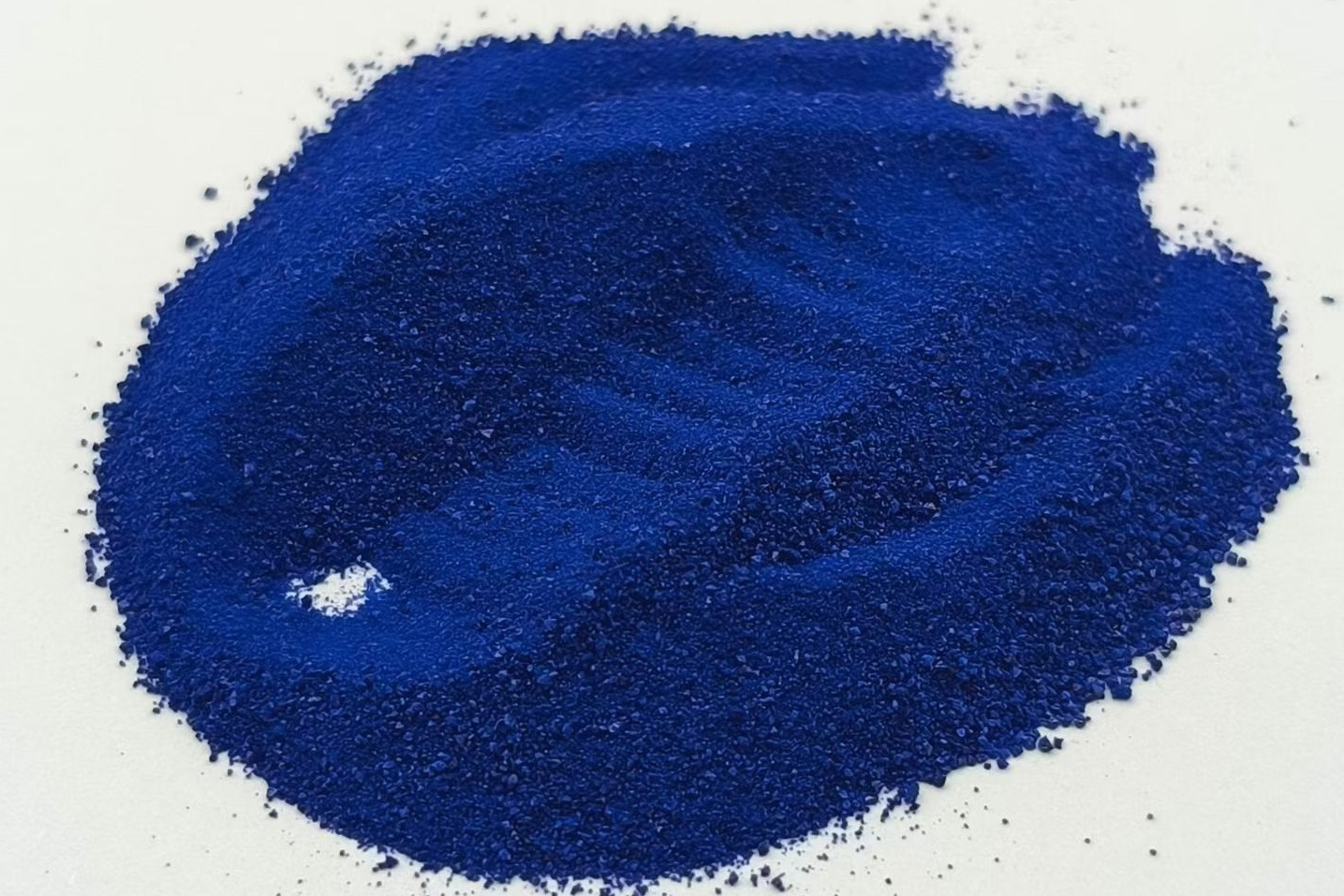
Currently, commercially available GHK-Cu is mainly manufactured by first producing the GHK tripeptide through solid-phase peptide synthesis (SPPS), then chelating it with copper salts (such as copper sulfate or copper chloride) under strictly controlled conditions. High-purity raw materials usually appear as blue powder, are easily soluble in water, and show a characteristic absorption peak at approximately 600–630 nm.
2. Raw Material Specifications and Properties
Key quality indicators for GHK-Cu include:
Purity: ≥98% (determined by HPLC)
Copper content: The theoretical value is approximately 8%-16% (w/w), while the actual measured value typically falls in the range of 13%-14%
Appearance: Blue powder, with a clear and transparent blue aqueous solution
Microbial limits: Must comply with general safety requirements for cosmetic raw materials
Residual solvents: Organic solvents used in the SPPS process must be controlled below specified safety limits
It is worth noting that GHK-Cu is sensitive to pH, temperature and light. In acidic environments (pH < 4), copper ions tend to dissociate from the peptide; in alkaline environments (pH > 8), the peptide fragment may undergo racemization or degradation. Therefore, raw materials should be stored away from light, in dry and low-temperature conditions (stored at -20℃ to 8℃), and the pH of cosmetic formulations during development must be strictly controlled within the range of 5.5–7.0.
Mechanism of Action of GHK-Cu
The biological function of GHK-Cu can be summarized as "one copper ion paired with one tripeptide, multi-target regulation". The copper ion acts as a cofactor for multiple key enzymes (such as lysyl oxidase and superoxide dismutase), while the GHK tripeptide is responsible for molecular recognition, targeted transport and precise delivery. The two components work in synergy to participate in the following core biological pathways:
1. Promoting Collagen and Glycosaminoglycan Synthesis
GHK-Cu acts on the expression sites of collagen genes including COL1A1 and COL3A1, stimulating the synthesis of type I and type III collagen as well as elastin. Meanwhile, it inhibits the degradation of collagen by matrix metalloproteinases (MMPs), exerting dual effects of "promoting new collagen production and preventing existing collagen loss".
GHK-Cu also stimulates fibroblasts to synthesize glycosaminoglycans and proteoglycans, which are critical components of the extracellular matrix and help maintain skin hydration and elasticity.
2. Antioxidation
GHK-Cu can activate the activity of endogenous antioxidant enzymes such as superoxide dismutase (SOD) and catalase, inhibit lipid peroxidation, and enhance the body’s free radical scavenging capacity. It protects cell membranes from oxidative damage by eliminating excess free radicals and blocking the chain reaction of lipid peroxidation.
Its copper ion itself participates in redox reactions, but the unique coordination environment provided by the GHK tripeptide gives it a net antioxidant effect rather than a pro-oxidant effect at physiological concentrations.
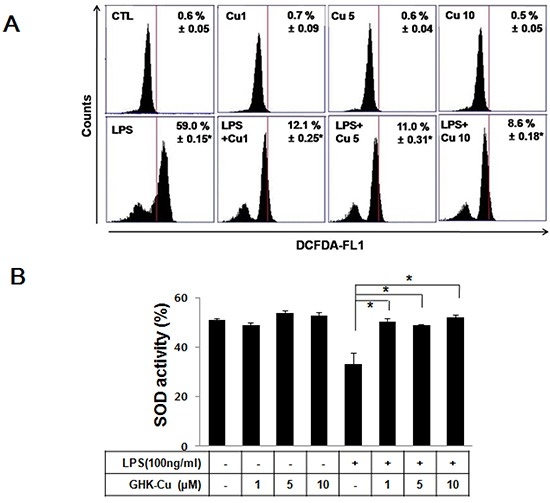
(GHK-Cu reduces ROS production and increases SOD activity in LPS-activated RAW 264.7 cells)
3. Anti-Inflammation and Immunomodulation
In a mouse model of LPS-induced acute lung injury, GHK-Cu treatment significantly inhibited the expression of TNF-α and IL-6, while suppressing the activity of NF-κB p65 and p38 MAPK signaling pathways.
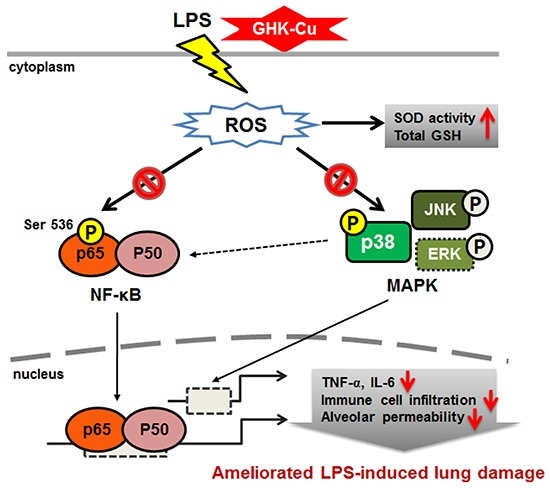
(Mechanism by which GHK-Cu attenuates LPS-induced inflammatory responses)
4. Promoting Angiogenesis and Tissue Remodeling
GHK-Cu can significantly upregulate the expression of VEGF, a key regulatory molecule for angiogenesis that promotes endothelial cell proliferation, migration and new blood vessel formation. In wound healing scenarios, this translates to faster restoration of blood supply, delivering sufficient oxygen and nutrients for tissue repair.
GHK-Cu promotes the secretion of FGF (fibroblast growth factor), especially bFGF (basic fibroblast growth factor). FGF in turn stimulates fibroblast proliferation, accelerating granulation tissue formation and collagen deposition. This dual mechanism gives it great application potential in both wound repair and anti-aging fields.
5. Epigenetic Regulation
Gene chip studies show that GHK-Cu can bidirectionally regulate human gene expression: on one hand, it upregulates beneficial genes related to collagen synthesis, antioxidant enzymes and growth factors; on the other hand, it downregulates genes associated with inflammatory factors, matrix metalloproteinases (MMP-1/3/9) and senescence-associated secretory phenotype (SASP).
In a related review, Loren Pickart further proposed the hypothesis that GHK may partially reverse aging-related gene expression patterns through epigenetic mechanisms (such as DNA methylation and histone modification), thereby exerting potential anti-aging effects. However, this hypothesis is currently mainly based on bioinformatics analysis of gene expression data, and direct experimental evidence of epigenetic mechanisms and systematic human studies are still lacking.
6. Hair Follicle Activation and DHT Inhibition
GHK-Cu can stimulate the proliferation of dermal papilla cells in hair follicles and prolong the anagen (active growth) phase of hair. In Loren Pickart’s classic animal experiment, after a short exposure of hair follicles to GHK-Cu, the volume of hair follicles increased by 4-8 times, and hair growth initiation could be observed within 12 days. It also inhibits the activity of type I 5α-reductase through copper ions, with a maximum inhibition rate of 90%, directly reducing the production of DHT, the core pathogenic factor of androgenetic alopecia. In a small human trial, after 6 months of using a topical formulation containing GHK-Cu, subjects showed improvements in both hair density and hair shaft diameter, and its hair growth promoting efficacy was even better than the 2% minoxidil control group. However, this field still requires larger-scale randomized controlled trials for further verification.
Core Advantages of GHK-Cu
Compared with mainstream active ingredients such as retinol, alpha-hydroxy acids and ordinary peptides, the differentiated advantages of GHK-Cu make it an all-around benchmark raw material:
Natural Homology, Ultimate Safety: As an active substance natively present in the human body, it has high biocompatibility, no immune rejection reaction, no irritation, no dependence and no photosensitivity. It can be safely used by sensitive skin and acne-prone skin, solving the common intolerance problem that plagues many other high-performance functional ingredients.
Stable and Versatile, Usable Around the Clock: The raw material and its formulation system have excellent stability, resistant to light and stable at room temperature. It provides antioxidant protection during the day and supports deep repair and regeneration at night, enabling 24-hour full-cycle skin care without the need for time-separated usage.
Multi-Dimensional All-in-One, One Ingredient with Multiple Benefits: It covers five core functions: anti-aging, barrier repair, anti-inflammation, antioxidation and skin stability maintenance. There is no need to stack multiple complex ingredients, reducing the formulation burden on the skin, and meeting the dual demands of minimalist skin care and high-efficacy functional skin care.
Solid Scientific Research, Traceable Efficacy: After more than 50 years of global scientific research exploration, with thousands of academic papers and clinical trials accumulated to date, its mechanism, efficacy and safety are all fully supported by authoritative public data. It is one of the few research-grade skincare ingredients with both theoretical basis and clinical evidence.
Formulation Design and Product Development Recommendations for GHK-Cu
Core Principles of GHK-Cu Formulation Design
The top priority of GHK-Cu (Copper Tripeptide-1) formulation design is to ensure the stability of the chelation structure first, prevent copper ion dissociation and deactivation, and then maximize transdermal efficiency and synergistic efficacy on this basis.
Strictly Control the pH RangeThe pH of the formulation must be locked in the weakly acidic environment of 5.5-7.0. pH < 5.0 or > 7.5 will directly destroy the coordination structure between the tripeptide and copper ions, leading to active dissociation and complete deactivation.
Quality Control at the Raw Material SourceSelect high-purity GHK-Cu raw materials with an effective chelation content of ≥98%, and conduct batch monitoring via HPLC, to minimize the uncontrollable side effect risks caused by free copper ions, and ensure consistent color and activity across different production batches.
Simplify the Basic Formulation ArchitectureMinimize charged ingredients and uncharacterized plant extracts in the formulation as much as possible, to avoid uncontrollable chelation reactions between different components, and fundamentally reduce the probability of deactivation and discoloration during storage.
List of Incompatible Ingredients
These ingredients will directly destroy the core chelation structure of GHK-Cu and must be completely avoided in formulations:
Strong Acid Ingredients: Salicylic acid, alpha-hydroxy acids, lactobionic acid, mandelic acid, etc., which will directly cause GHK-Cu to fade in color and lose all biological activity.
Strong Reducing Agents: High-concentration L-ascorbic acid, carnosine, ergothioneine, etc., which will undergo redox reactions with Cu²⁺, resulting in simultaneous deactivation and discoloration of both components.
Strong Chelating Agents: EDTA-2Na, high-concentration citric acid, which will directly seize copper ions and completely break down the molecular structure of GHK-Cu.
VA/VA Derivatives: Retinol, retinol esters, which will form a turbid green deactivated complex when in contact with GHK-Cu, completely losing all skincare efficacy.
High-Concentration Ionic Surfactants / Inorganic Salts: Which will cause salting-out effect, destroy the dissolution stability of GHK-Cu and lead to flocculation and precipitation.
Partial Anionic Polymers: Untested carbomer, polyacrylate, which are prone to react with GHK-Cu and form precipitates, so compatibility verification must be conducted in advance before formal formulation development.
Recommended Synergistic Combinations
These ingredients have excellent compatibility with GHK-Cu and can synergistically amplify its core efficacy:
Barrier Repair Group: Low-molecular-weight hyaluronic acid, panthenol, ceramides, ectoin, which work together to strengthen the skin barrier and improve the transdermal efficiency of GHK-Cu.
Activity Protection Group: Adding α-glucan, β-glucan and maltitol can form a protective hydration film outside the GHK-Cu molecule, further enhancing storage stability and epidermal penetration.
Practical Product Development Recommendations
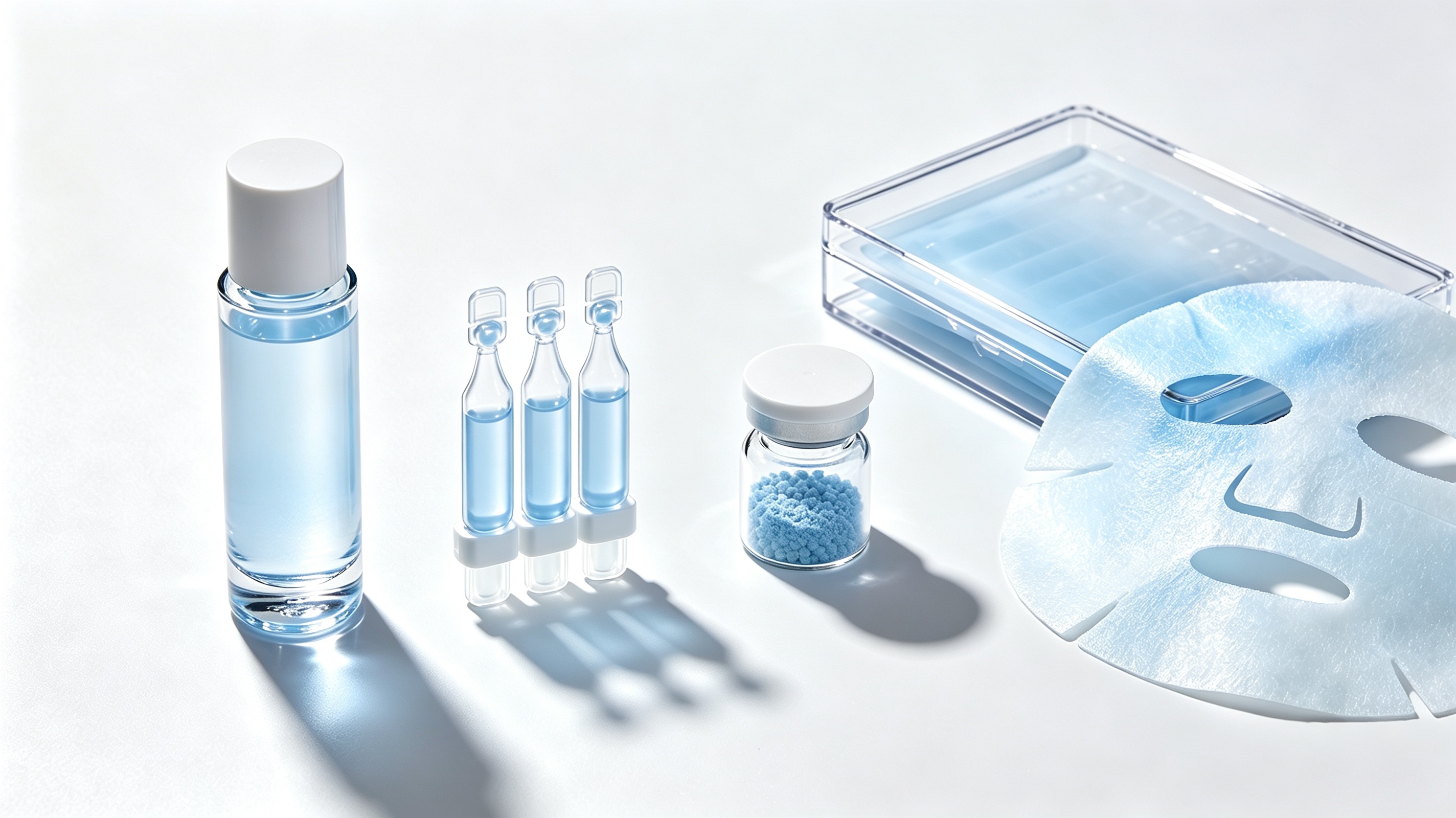
Preferred Formulation TypesPrioritize the development of water-based serums, single-dose ampoules and lyophilized mask formulations. These systems have simple ingredient compositions and can minimize the deactivation risk of GHK-Cu. It is not recommended to develop heavy creams with high oil phases, as oil-based systems can hardly guarantee the long-term dispersion stability of GHK-Cu.
Temperature Control: Adopt an all-low-temperature production process. It is recommended to add GHK-Cu as the final ingredient after the system cools down to below 40℃, to avoid peptide chain breakage, copper ion dissociation, raw material deactivation and system discoloration.
Recommended Addition LevelsThe typical addition amount of GHK-Cu in cosmetics is 0.01–0.1% (i.e. 100–1000 ppm). High-end anti-aging products usually use around 0.05%, while wound repair products can be appropriately increased to 0.1–0.2%. It should be noted that excessively high concentrations may increase skin irritation risks and cause a sharp rise in production costs.
Stability Verification StandardAfter completing the formulation, it must pass a 30-day accelerated thermal storage test at 45℃. A mass-producible qualified formulation requires a GHK-Cu retention rate of ≥90%, with no obvious discoloration or precipitation.
Market and Outlook
The market popularity of GHK-Cu has continued to rise in recent years. According to market research data, the global number of new skincare products containing GHK-Cu has grown at an average annual rate of approximately 15% from 2020 to 2025, with the Asia-Pacific region, especially the Chinese market, showing the most significant growth rate. This trend is jointly driven by consumers’ growing demand for the dual functions of "repair + anti-aging", as well as the "ingredient-focused consumers'" pursuit of science-backed skincare products.
In the future, the development directions of GHK-Cu may include:
Delivery system optimization: Using liposomes, nanoemulsions, microneedles and other technologies to improve transdermal absorption rate
Synergistic formulation research: Developing combined formulations with hyaluronic acid, ceramides, peptides and other ingredients
Indication expansion: Exploring applications outside skincare, in wound dressings, hair growth products, oral care and other fields
Sustainable production: Replacing chemical synthesis with biosynthetic methods to reduce production costs and environmental footprint
Of course, challenges still exist: raw material stability, formulation compatibility, large-scale verification of clinical evidence, and consumer education are all topics that the entire industry needs to continuously invest in.
Conclusion
GHK-Cu (Copper Tripeptide-1) is a rare case of an "old ingredient with new stories". It originated from basic scientific research in the 1970s, but became a star ingredient in the global skincare industry half a century later. Its charm lies not only in its unique iconic blue color, but also in its multi-target, multi-pathway biological activity, and wide applicability from wound repair to anti-aging beauty.
For formulators and skincare brands, understanding the chemical nature, mechanism of action and formulation constraints of GHK-Cu is the first step to developing truly effective products. The story of GHK-Cu is far from over.
Check the product link:Copper Tripeptide-1
References
[1] Pickart L, Thaler MM. Tripeptide in human serum which prolongs survival of normal liver cells and stimulates growth in neoplastic liver. Nature New Biology, 1973, 243(124): 85-87.
[2] Pickart L, Margolina A. Regenerative and protective actions of the GHK-Cu peptide in the light of the new gene data. International Journal of Molecular Sciences, 2018, 19(7): 1987.
[3] 张伟, 李明. 蓝铜肽在化妆品中的稳定性研究. 日用化学工业, 2020, 50(6): 401-406.
[4] Maquart FX, Pickart L, Laurent M, et al. Stimulation of collagen synthesis in fibroblast cultures by the tripeptide-copper complex glycyl-L-histidyl-L-lysine-Cu²⁺. FEBS Letters, 1988, 238(2): 343-346.
[5] Pickart L, Vasquez-Soltero JM, Margolina A. GHK peptide as a natural modulator of multiple cellular pathways in skin regeneration. BioMed Research International, 2015, 2015: 648108.
[6] Park JR, Lee H, Kim SI, et al. The tripeptide-copper complex GHK-Cu inhibits inflammatory responses in LPS-stimulated macrophages. Journal of Dermatological Science, 2019, 94(2): 245-252.
[7] Pollard JD, Quan S, Kang T, et al. Effects of copper tripeptide on wound healing and angiogenesis. Wound Repair and Regeneration, 2005, 13(3): 310-317.
[8] Pickart L. The human tripeptide GHK-Cu in the treatment of tissue injury and regenerative medicine[J]. Journal of Cosmetic Dermatology, 2018, 17(S1): 42-47.
[9]Mulder GD, Patt LM, Sanders L, et al. Enhanced healing of ulcers in patients with diabetes by topical treatment with glycyl-L-histidyl-L-lysine copper. Wounds, 1994, 6(2): 45-52.
[10] Pyo HK, Yoo HG, Won CH, et al. The effect of copper tripeptide on hair growth in androgenetic alopecia. Journal of Dermatological Treatment, 2007, 18(4): 215-219.
[11] Kim YJ, Kim HN, Park JR, et al. Copper tripeptide-1 protects against UVB-induced oxidative stress in human keratinocytes. Journal of Photochemistry and Photobiology B: Biology, 2018, 183: 1-7.