
Raw Material Introduction
Glutathione (GSH) is a tripeptide compound formed by the peptide condensation of glutamic acid, cysteine and glycine, with the chemical name γ-L-glutamyl-L-cysteinylglycine (γ-Glu-Cys-Gly). As the most abundant non-protein thiol compound in the human body, glutathione exists at millimolar concentrations in nearly all cell types (intracellular concentration typically ranges from 1 to 10 mM), playing an irreplaceable role in maintaining cellular redox homeostasis, detoxification metabolism and signal transduction.
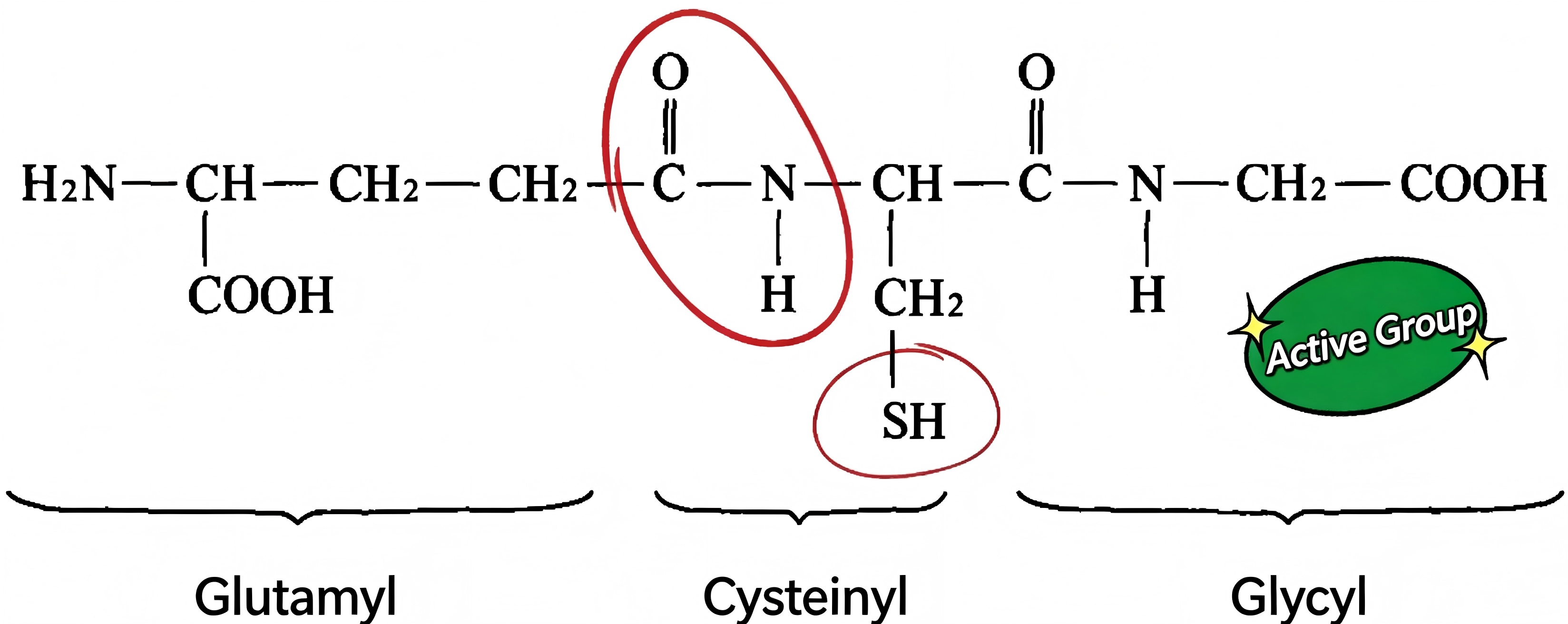
GSH is stable in the dry state but susceptible to oxidation into oxidized glutathione (GSSG) in aqueous solution. The two form a critical redox pair (GSH/GSSG), and the GSH/GSSG ratio serves as a key indicator for evaluating cellular oxidative stress. In healthy cells, GSH accounts for over 95% of total glutathione.
First isolated from yeast by French scientist Rey-Pailhade in 1888, glutathione has gone through a century-long journey from fundamental biochemical research to industrial production and wide-ranging multi-field applications. Currently, microbial fermentation dominates industrial manufacturing: high-yield yeast strains (e.g., Saccharomyces cerevisiae) or genetically engineered strains are cultivated under optimized fermentation conditions to achieve efficient intracellular GSH accumulation.
Chemical Structure and Physicochemical Properties of Glutathione
Property | Parameter |
|---|---|
Molecular Formula | C₁₀H₁₇N₃O₆S |
Molecular Weight | 307.32 g/mol |
Appearance | White crystalline powder |
Melting Point | 195–197°C (decomposition) |
Solubility | Soluble in water and dilute alcohols; insoluble in ethanol and diethyl ether |
Isoelectric Point | pI ≈ 5.93 |
Glutathione contains an active thiol group (-SH), which endows it with strong reducing capacity and forms the core structural basis for its antioxidant activity.
Mechanism of Action
Antioxidant Activity
Antioxidation represents the most core biological function of glutathione, realized mainly through the following pathways:
Direct Scavenging of Free Radicals
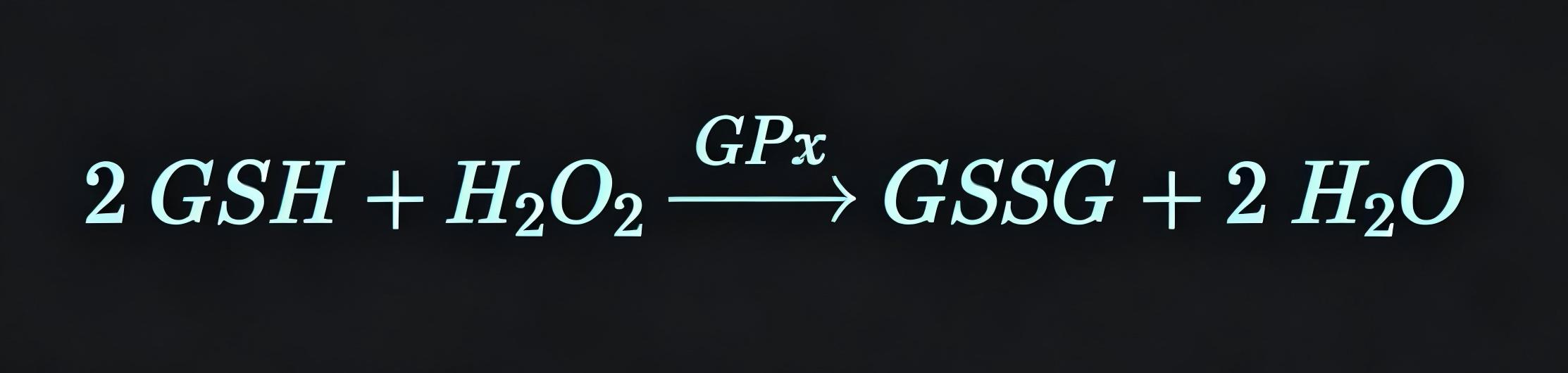
The thiol group (-SH) of GSH can directly react with reactive oxygen species (ROS) including hydroxyl radicals (·OH), hydrogen peroxide (H₂O₂) and superoxide anions (O₂·⁻), reducing them into harmless products.
Cofactor for Glutathione Peroxidase (GPx)
GSH acts as an essential cofactor of GPx. GPx uses GSH to reduce lipid hydroperoxides (LOOH) into corresponding alcohols (LOH), thereby blocking the chain reaction of lipid peroxidation. Studies demonstrate that GPx exhibits extremely high catalytic efficiency toward H₂O₂, with a turnover number (kcat/Km) on the order of 10⁷ M⁻¹s⁻¹.
Regeneration Cycle via Glutathione Reductase (GR)
Oxidized glutathione (GSSG) can be regenerated into GSH under the action of glutathione reductase (GR) and NADPH.
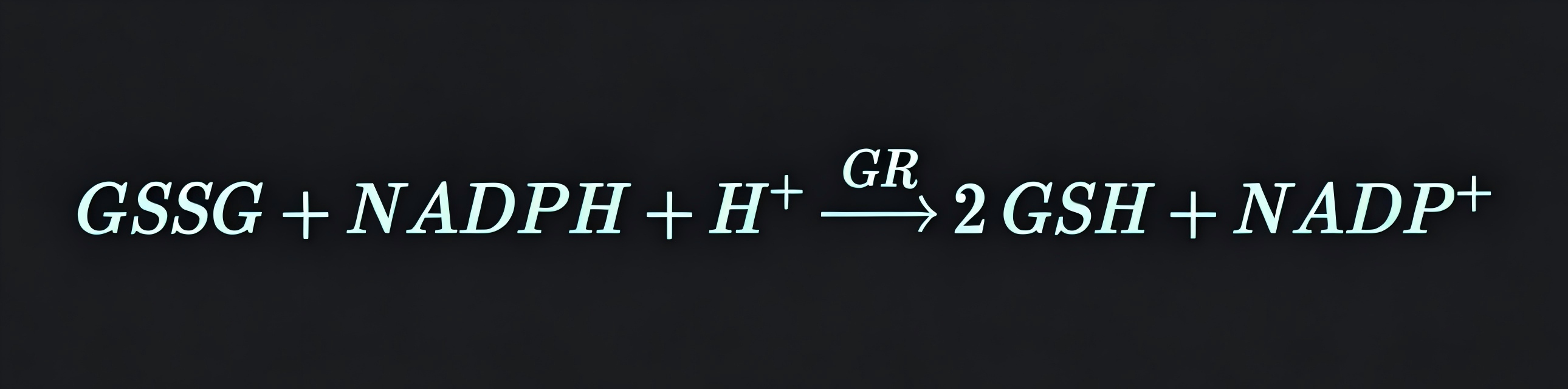
This cycle sustains continuous supply of the intracellular GSH pool. Under normal physiological conditions, the intracellular GSH:GSSG ratio is generally maintained above 100:1; a drop below 10:1 usually indicates significant oxidative stress.
Detoxification and Metabolic Functions
Detoxification of Xenobiotics
Catalyzed by glutathione S-transferase (GST), GSH conjugates with electrophilic exogenous substances (such as drug metabolites, environmental pollutants and carcinogens) to form more water-soluble thioether conjugates, which are excreted via bile or urine. This mechanism is especially vital for hepatic detoxification.
Heavy Metal Chelation
Through its thiol group, GSH forms complexes with heavy metal ions including lead, mercury and cadmium to facilitate their excretion. Research shows the complexation constant (log K) of GSH toward Cd²⁺ is approximately 10–12, which is critical for intracellular heavy metal tolerance.
Cellular Signal Regulation and Apoptosis Modulation
Recent research reveals that GSH also participates in the regulation of multiple cellular signaling pathways.
S-Glutathionylation
GSH can form disulfide bonds with cysteine residues of proteins to dynamically modulate protein functions. This process, named S-glutathionylation, participates in the regulation of cellular metabolism, transcription and apoptosis.
Apoptosis Regulation
GSH depletion is one of the early events of cellular apoptosis. Studies indicate that when intracellular GSH levels drop below 30% of the control group, the opening probability of mitochondrial permeability transition pore (mPTP) increases, leading to cytochrome c release and subsequent activation of the caspase cascade reaction.
Immunomodulatory Function
GSH plays an important role in the functions of immune cells. The intracellular GSH concentration in lymphocytes directly affects their proliferation capacity and cytokine secretion. Clinical trials show that oral GSH precursors (e.g., N-acetylcysteine) can markedly increase the count of CD4⁺ T cells in HIV-infected patients, indicating the supportive effect of GSH on immune function.
Global Application and Regulatory Status
China
Pharmaceutical sector: As an active pharmaceutical ingredient, glutathione is mainly used for adjuvant treatment of liver diseases, detoxification and chemotherapy support. It is included in Volume II of the 2020 Edition of the Chinese Pharmacopoeia.
Cosmetic sector: Reduced glutathione has been incorporated into the Inventory of Existing Cosmetic Raw Materials (2021 Version) and can be applied in skincare products.
Food and health product sector: Pure reduced glutathione monomer has not been approved as a novel food ingredient. It is only included in the Draft for Comments on the Health Food Raw Material Catalogue, with the primary functional claim of “antioxidation”. The draft proposes to restrict the applicable population to adults aged 18–65 and set a maximum daily dosage of 300 mg; this provision has not been officially implemented yet.
Glutathione-derived raw material: Glutathione-enriched yeast (approved as an ordinary food ingredient by the National Health Commission in 2025). Produced by fermentation, autolysis and drying of Saccharomyces cerevisiae, it complies with GB/T 20886.2 Yeast Product Quality Requirements Part 2: Yeast Processed Products. It can be added to various ordinary foods as needed in production, and contains yeast matrix-bound glutathione.
Japan
In Japan, glutathione is classified as a food additive (existing additive), applicable for food fortification and health foods. The Ministry of Health, Labour and Welfare of Japan has approved its indications including adjuvant therapy for liver diseases, detoxification for drug poisoning and adjuvant treatment for cataracts. It can also be used in cosmetics.
United States
In the US, Kohjin submitted a GRAS notification for reduced glutathione to FDA (GRN No.244). The intended uses included meat products (dosage of 5~300 mg per serving), milk- and soy-based infant formula. This notification was later resubmitted as GRN No.293 and received a “no questions” letter from FDA. The safety of the raw material was scientifically demonstrated by the notifier.
European Union
Within the EU, reduced glutathione (GSH) has no unified novel food authorization. Its derivative S-acetyl-L-glutathione (SAG) received a scientific opinion from EFSA in September 2026, confirming its safety under the proposed use conditions. It is intended as a raw material for dietary supplements and foods for special medical purposes, with a maximum daily intake of 300 mg, for population aged ≥10 years; pregnant and lactating women are excluded.
Raw Material Application Directions
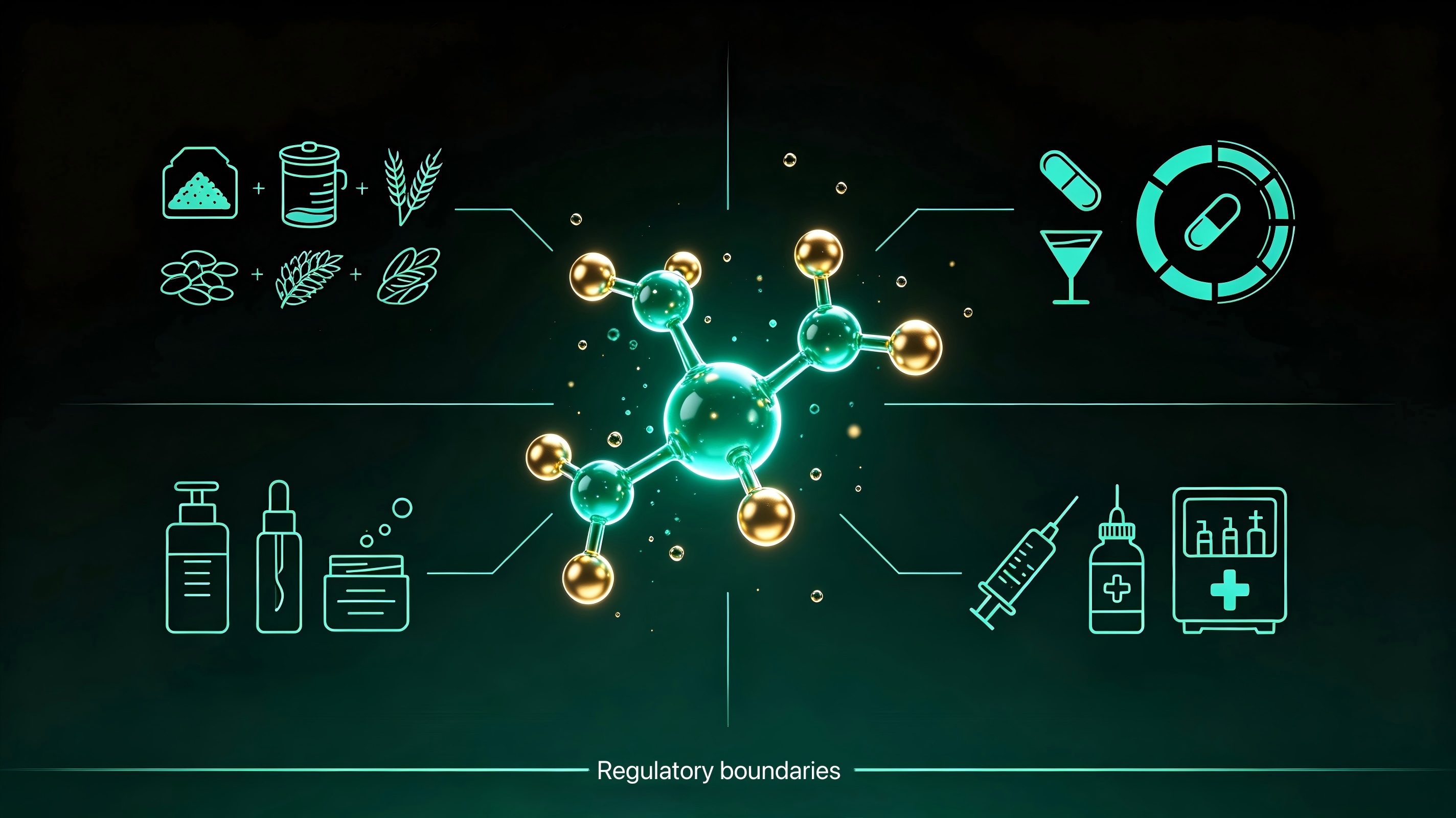
Food / Health Products: Dietary supplements, solid beverages, formulations developed around nutrition directions related to antioxidation and redox homeostasis.
Cosmetics: Essences, facial masks and other skincare formulations, used in formula matching for cellular antioxidant raw materials.
Biomedicine: Injectable dosage forms are limited to pharmaceutical use; also used as raw material for in vitro cell culture media.
Conclusion
As one of the most critical antioxidant molecules in living organisms, glutathione’s translational journey from basic research to industrial application reflects the deep integration of biochemistry, fermentation engineering and clinical medicine. With deeper insights into the roles of GSH in oxidative stress, immune regulation and cellular signaling, its application prospects in pharmaceuticals, health food and cosmetic sectors will be broader. In the future, the development of high-efficiency production technology based on synthetic biology and targeted delivery systems is expected to further expand the boundary of clinical applications of glutathione.
References
[1] Flohé L, Günzler WA. Assays of glutathione peroxidase. Methods in Enzymology, 1984, 105: 114-121.
[2] Schafer FQ, Buettner GR. Redox environment of the cell as viewed through the redox state of the glutathione disulfide/glutathione couple. Free Radical Biology and Medicine, 2001, 30(11): 1191-1212.
[3] Pizzorno J. Glutathione![J]. Integrative Medicine, 2014,13(1):8-12. https://www.ncbi.nlm.nih.gov/pmc/articles/PMC4304780/
[4] Hayes JD, Flanagan JU, Jowsey IR. Glutathione transferases. Annual Review of Pharmacology and Toxicology, 2005, 45: 51-88.a
[5] Tretter L, Adam-Vizi V. The Key Role of GSH in Keeping the Redox Balance in Mammalian Cells: Mechanisms and Significance of GSH in Detoxification via Formation of Conjugates[J]. Antioxidants, 2023,12(11):1971. https://pmc.ncbi.nlm.nih.gov/articles/PMC10669396/
[6] EFSA Panel on Nutrition, Novel Foods and Food Allergens. Safety of S-acetyl glutathione as a novel food pursuant to Regulation (EU) 2015/2283[J]. EFSA Journal,2026,24(9):10258. https://efsa.onlinelibrary.wiley.com/doi/10.2903/j.efsa.2026.10258
[7] Allen J, Bradley R. The Role of Glutathione Metabolism in Chronic Illness Development and Its Potential Use as a Novel Therapeutic Target[J]. Nutrients,2022,14(20):4366. https://pmc.ncbi.nlm.nih.gov/articles/PMC9616098/
[8] Bhattacharyya S, Das S, Dasgupta S, et al. Multifaceted Cardioprotective Potential of Reduced Glutathione Against Doxorubicin-Induced Cardiotoxicity via Modulating Inflammation–Oxidative Stress Axis[J]. Frontiers in Pharmacology, 2024,15:1317104. https://pmc.ncbi.nlm.nih.gov/articles/PMC11989681/
[9] Singhal RK, Anderson ME, Meister A. Glutathione, a first line of defense against cadmium toxicity. FASEB Journal, 1987, 1(3): 220-223.
[10]Dalle-Donne I, Rossi R, Colombo G, et al. Protein S-glutathionylation: a regulatory device from bacteria to humans. Trends in Biochemical Sciences, 2009, 34(2): 85-96.
[11]Franco R, Cidlowski JA. Apoptosis and glutathione: beyond an antioxidant. Cell Death and Differentiation, 2009, 16(10): 1303-1314.
[12] De Rosa SC, Zaretsky MD, Dubs JG, et al. N-acetylcysteine replenishes glutathione in HIV infection. European Journal of Clinical Investigation, 2000, 30(10): 915-929.
[13] U.S. FDA. GRAS Notice Inventory, GRN No.293, Glutathione[EB/OL]. https://www.hfpappexternal.fda.gov/scripts/fdcc/index.cfm?id=293&set=GRASNotices, 2009.